Portable toilets represent a significant advancement in eco-friendly sanitation solutions, aligning closely with sustainability goals pertinent to many communities today. One of the most evident benefits is the water conservation aspect. Traditional toilets use gallons of water with each flush, contributing to considerable water waste, especially when scaled across large events or sites. In contrast, portable toilets employ chemical treatments and minimal water, significantly reducing the quanity of water needed. Besides saving water, the use of environmentally safe deodorizing chemicals in portable restrooms also aids in reducing pollution. These chemicals break down waste effectively without introducing harmful substances into the environment. Moreover, the waste collected from portable toilets is processed in a controlled manner in waste treatment facilities, transforming waste management from a potential environmental hazard into a sustainable cycle. Additionally, modern portable toilet models feature solar-powered units, which further enhance their eco-friendly credentials by reducing reliance on conventional energy sources. Finally, the mobility of these units allows for them to be used repeatedly across various locations, rather than installing permanent, resource-draining infrastructure. This flexibility is ideal for festivals, construction sites, and even emergency relief efforts, underscoring their eco-friendliness. Overall, portable toilets provide a practical, sustainable solution for minimizing the ecological impact of sanitation in temporary settings.
Portable Toilet Rentals in Huntersville, North Carolina
Call today for a free quote (336) 980-2028
Portable Toilet
Fast, Easy, & 100% Free To Get Started
Over 30 Years Experience
With over 30 years of experience, A Sani-Can is proud to serve Huntersville and surrounding areas. Our strong community ties and unwavering commitment to quality make us the trusted choice for portable sanitation needs.
Commitment to Quality
A Sani-Can offers top-tier portable sanitation services, emphasizing cleanliness and reliability. We are dedicated to delivering quality that guarantees customer satisfaction for every event or project it touches.
Fast and Reliable Delivery
Experience fast, reliable delivery services with A Sani-Can's portable toilets. We strive to meet your needs promptly and ensure a hassle-free experience with convenient setup and high-quality service.
Reliable Portable Toilet Solutions in Huntersville
Call for a Free Quote Today
(336) 980-2028
Welcome to our locally owned Portable Toilet service in Huntersville, North Carolina. With our dependable and reliable solutions, we provide exceptional sanitation facilities for construction sites, parties, festivals, and weddings. Our company prides itself on delivering high-quality service to the surrounding areas, ensuring every event is catered for with clean, well-maintained units. Trust us to enhance the convenience of your outdoor events and projects with our comprehensive services. Our commitment to satisfaction ensures a seamless experience every time. Whether you're hosting a festival or managing a construction site, our services are tailored to meet your needs efficiently.
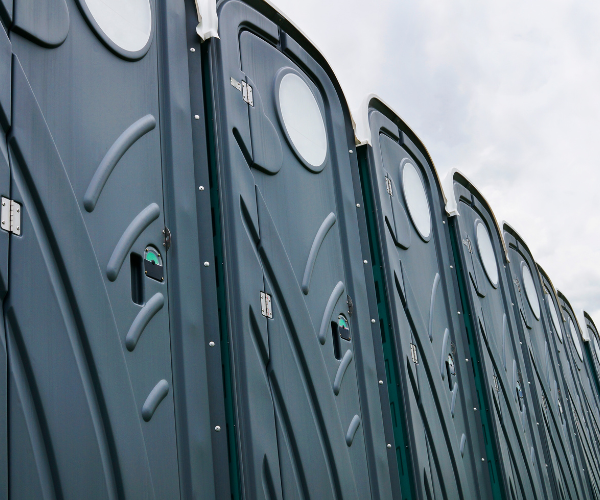
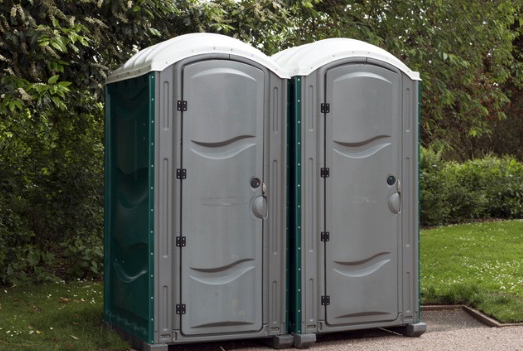
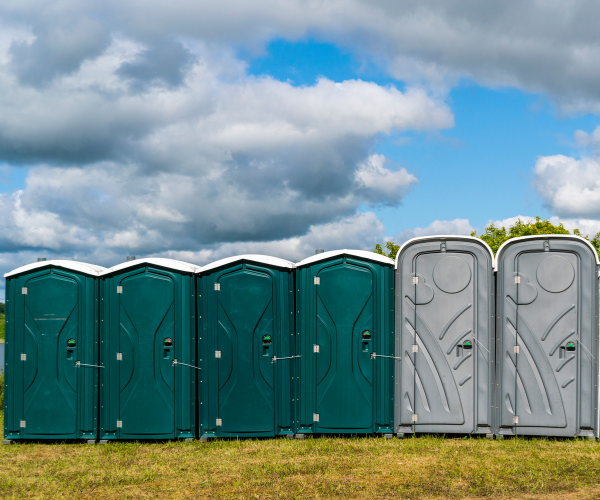
Our standard porta john rental units are durable and reliable for any commercial build site, housing development, public works project, or remodel job.Features include dome lighting, grated floors, and an “In-Use” locking mechanism for privacy and comfort. Regularly maintained, inspected, and cleaned by FusionSite at your location.
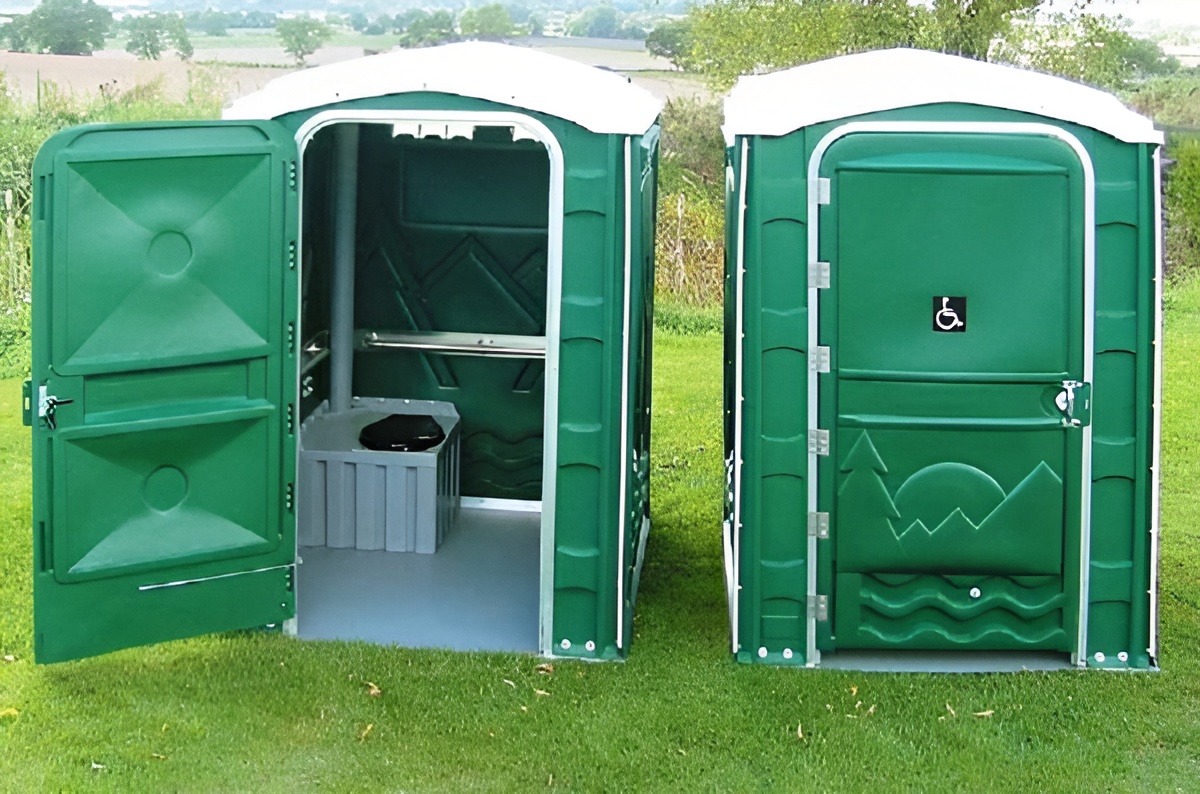
Developed as an alternative to full ADA-compliant restrooms, the Liberty is a spacious, wheelchair-accessible unit that can also be promoted as a family-sized restroom. Includes a patented flat-floor system for easy wheelchair access and maneuverability.Handrails, paper holder, and rotary latch are designed for simple, intuitive end-user operation.
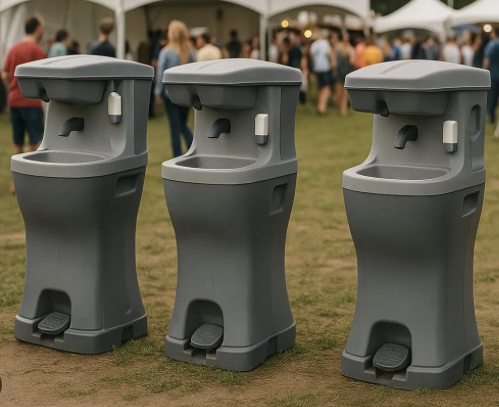
Portable hand washing stations are essential for keeping your work site sanitary and clean. Features hands-free foot pumps, liquid soap, and paper towels.Perfect for job sites without water hookups, these units can handle hundreds of washes between services.
We Proudly Serve
Standard Portable Toilets
Our Standard Portable Toilets are perfect for any outdoor or construction setting, providing a clean, sanitary solution across North Carolina.
High Rise Portable Toilets
Designed for skyscrapers and built environments, our High Rise Portable Toilets offer Huntersville exceptional sanitation access in elevated locations.
Restroom Trailers
Experience luxury and convenience with our Restroom Trailers, available for any high-profile event in Huntersville.
Roll off Dumpsters
A Sani-Can provides roll off dumpsters for efficient waste management in Huntersville, suitable for various construction and commercial needs.
Septic Tank Cleaning
Ensure the longevity and efficiency of your septic systems with our expert Septic Tank Cleaning services in North Carolina.
Grease Trap Cleaning
Protect your establishment from costly clogging with our professional Grease Trap Cleaning services in Huntersville.
Fencing & Barricades
Enhance security at any event with our Fencing & Barricades service, designed for optimal safety throughout North Carolina.
Residential Storage
Secure your belongings with our Residential Storage services available in Huntersville, providing you peace of mind.
Huntersville Portable Toilet and More
Getting a quote for our Portable Toilet service is as easy as clicking a button. Our user-friendly online form, available at the top and bottom of our webpage, requires only your first and last name, phone number, and email to get started. Submitting this form not only saves time but also ensures that our team can quickly assess your needs and provide a competitive quote. With a straightforward process, obtaining a Portable Toilet for your event or construction site becomes hassle-free. We also boast fast delivery, meaning once you've accepted the quote, our team mobilizes quickly to get the portable toilet to your location. This efficiency is part of our commitment to delivering high-quality service and products without delay, allowing you to focus on the more critical aspects of your project or event.
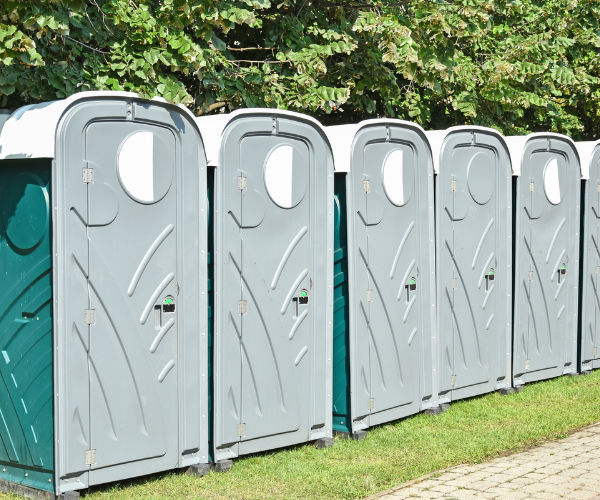
Experience the charm and convenience of our Portable Toilet services in Huntersville, North Carolina. Nestled amidst the scenic beauty of Lake Norman and the lively atmosphere of events like the Huntersville Christmas in Huntersville, our services offer the perfect solution for outdoor activities and gatherings. Our portable toilets seamlessly blend into these settings, ensuring attendees enjoy a comfortable and sanitary experience.Our services are frequently chosen for community events and outdoor attractions. Whether it's a festival at Birkdale Village or a family reunion in a nature reserve, our units provide necessary convenience with a touch of local charm. Their clean and reliable functionality ensures that guests can truly appreciate the surrounding beauty without worries.There's no better choice for portable sanitation in Huntersville. Our dedication to offering top-tier service is matched by our understanding of the area's unique needs. Our knowledgeable team ensures that each unit is delivered and maintained, guaranteeing satisfaction for event planners and attendees alike.
Choosing us as your portable toilet provider in Huntersville means opting for excellence and reliability. We understand local preferences and expectations, so we customize our services to not only meet but exceed them. Proudly part of the Huntersville community, we deliver hygiene solutions that reflect our dedication to enhancing the quality of life in our hometown.Our reputation as the best choice rests on strong client relationships and feedback. Each service we offer is backed by our commitment to customer satisfaction, ensuring a seamless experience from start to finish. Meeting your specific needs with our comprehensive range and flexible options is our top priority.
At A Sani-Can, fast and reliable Portable Toilet services are our specialty. Understanding the urgency often associated with your events, our team is committed to delivering services that align with even the tightest timelines. Whether it's a last-minute event or a construction site requiring immediate attention, we've got you covered.Our prompt delivery service is a testament to our dedication. Coordinated to perfection, our logistics team ensures every portable toilet reaches its destination swiftly and in pristine condition. This reliability means you can trust us to not only deliver quickly but also uphold the highest standards in sanitation.
Learn More About Our Portable Toilet in Huntersville
Renting a portable toilet for your event or project in Huntersville is straightforward and efficient. The process begins with opening our easy-to-navigate online platform, where you will find forms both at the top and bottom of our webpages. These forms are key to providing us with the initial details we need to process your request quickly. You will be asked to fill out your basic information, such as your first name, last name, phone number, and email address. This minimal information is crucial for our team to get in touch with you to discuss tailored solutions to meet your needs. Beyond the form, we've incorporated 'Get A Quote' buttons throughout our site, creating multiple access points for customers aiming to inquire about our services. Once your request is in, we pride ourselves on a rapid response time and personalized service that ensures renting a portable toilet becomes a hassle-free process. Our team is committed to providing prompt service, from initial inquiry through to delivery and setup, taking the weight off your shoulders so you can focus on your event. So whether you're planning a construction project, a music festival, corporate event, or simple a backyard party, renting a portable toilet in Huntersville has never been easier with our streamlined and customer-centric approach.
When it comes to portable toilet rentals, understanding the delivery timeframe is crucial for successful planning and execution of any event or construction project. Typically, as a company committed to top-tier service, we aim to deliver our portable toilets within one to two business days after your order confirmation. This expedited delivery service stems from our deeply embedded efficiency standards, ensuring your sanitary needs are promptly and seamlessly met. Factors such as location, the scale of the order, and specific needs might tweak this timeframe slightly; however, our experienced logistical team is adept at planning for these variables. In circumstances where urgency is paramount, such as last-minute events or unpredicted demand spikes, we offer expedited services to accommodate these needs effectively. By maintaining an agile inventory and a responsive operational framework, we are ideally positioned to cater to diverse delivery requirements across Huntersville and beyond. Moreover, detailed coordination with you during the order placement phase allows us to deliver not just on time, but also with precision and in accordance with any event-specific needs you might have. Therefore, when you choose our portable toilet service, rest assured, that prompt and reliable delivery is an integral part of our offering.
Yes, we are pleased to offer portable sanitation solutions for a wide array of events and construction services. Our diverse inventory allows us to service everything from large-scale festivals and sporting events to more intimate gatherings like weddings and corporate events. We understand that each event or project has unique requirements, and our team is experienced in tailoring our offerings to suit these specific needs. Our product range includes luxury restroom trailers, standard porta potties, ADA-compliant units, hand sanitization stations, and more. For construction sites, we offer robust units designed to withstand the demands of ongoing projects, ensuring workers have access to sanitary facilities that meet health and safety regulations. We also provide essential infrastructure solutions such as roll-off dumpsters and fencing and barricades, further simplifying your logistics planning. With our history of working alongside leading events such as MerleFest and the U.S. Women's Open, you can be assured that our service is tried and trusted within the industry. This versatility underscores our commitment to providing comprehensive, reliable, and customized sanitation services that benefit every client equally, regardless of the event's scale or nature.