Portable toilets offer several eco-friendly advantages, promoting sustainable waste management through their efficient design. First, they drastically reduce water consumption compared to traditional toilets. The flushing mechanisms in standard plumbing can use several gallons of water per flush, but portable toilets operate with little to no water by using special chemicals to sanitize and break down waste. Additionally, these units contribute to reduced contamination risk in natural habitats and public spaces, preventing sewage leaks into the environment. They are constructed with durable, eco-friendly materials, often containing recyclable components that sustain longevity while lessening ecological impacts. Portable toilets are also pivotal in supporting large events without the need for extensive plumbing, thus minimizing unnecessary infrastructure expansions. Encouragingly, waste collected from these units often undergoes treatment in facilities adhering to stringent regulations, where it can be converted into useful biogas products. These toilets fortify sustainable practices, providing collective benefits by lessening global water footprints and supporting responsible waste management strategies. This conservational edge positions them as an essential component in preserving our planet's vital resources.

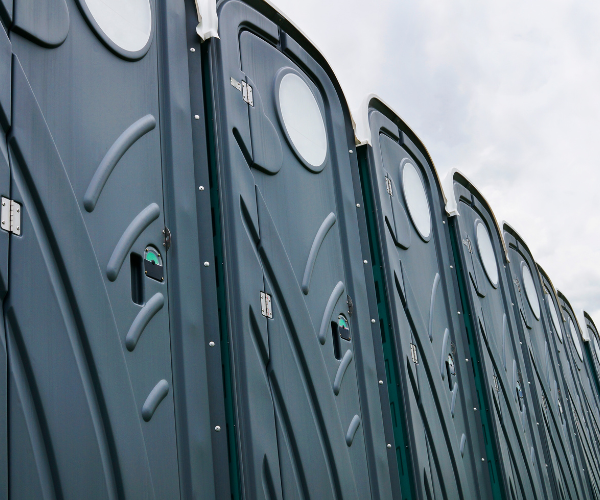
Portable Toilet Rentals in Hickory, North Carolina
Call today for a free quote (336) 980-2028
Portable Toilet
Fast, Easy, & 100% Free To Get Started
Over 30 Years Of Experience
Boasting more than 30 years in the portable sanitation industry, we passionately serve Hickory, demonstrating unwavering quality and reliability. Our enduring community connections ensure each service is infused with a personal touch for optimal customer satisfaction.
Outstanding Quality Service
Our commitment to quality service is unmatched, ensuring each unit is meticulously maintained for cleanliness and readiness for your event. Trust in our exceptional attention to detail to enhance your experience.
Fast, Efficient Delivery
Our prompt delivery service ensures your portable toilet needs are swiftly met, eliminating any hassle. We uphold an efficient process that guarantees your complete satisfaction, every time.
Dependable Portable Toilet Solutions in Hickory
Call for a Free Quote Today
(336) 980-2028
Located in Hickory, North Carolina, our portable toilet company prides itself on being locally owned and operated, offering reliable and dependable services for various events. Whether it's construction sites, parties, festivals, or weddings, we provide clean and well-maintained units tailored to your needs. Serving not only Hickory but also surrounding areas, we ensure our locally rooted understanding of community expectations translates into outstanding customer satisfaction. Our reputation is built on years of trust, making us the go-to solution for all your sanitation needs. Count on us for prompt delivery, regular maintenance, and exceptional service that surpasses expectations.
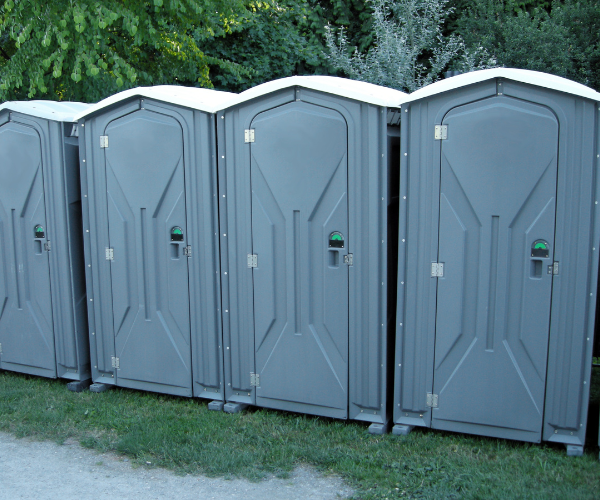
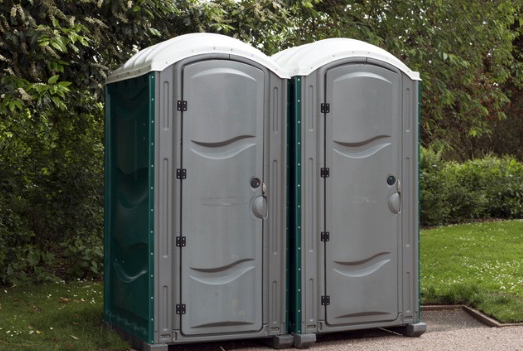
Our standard porta john rental units are durable and reliable for any commercial build site, housing development, public works project, or remodel job.Features include dome lighting, grated floors, and an “In-Use” locking mechanism for privacy and comfort. Regularly maintained, inspected, and cleaned by FusionSite at your location.
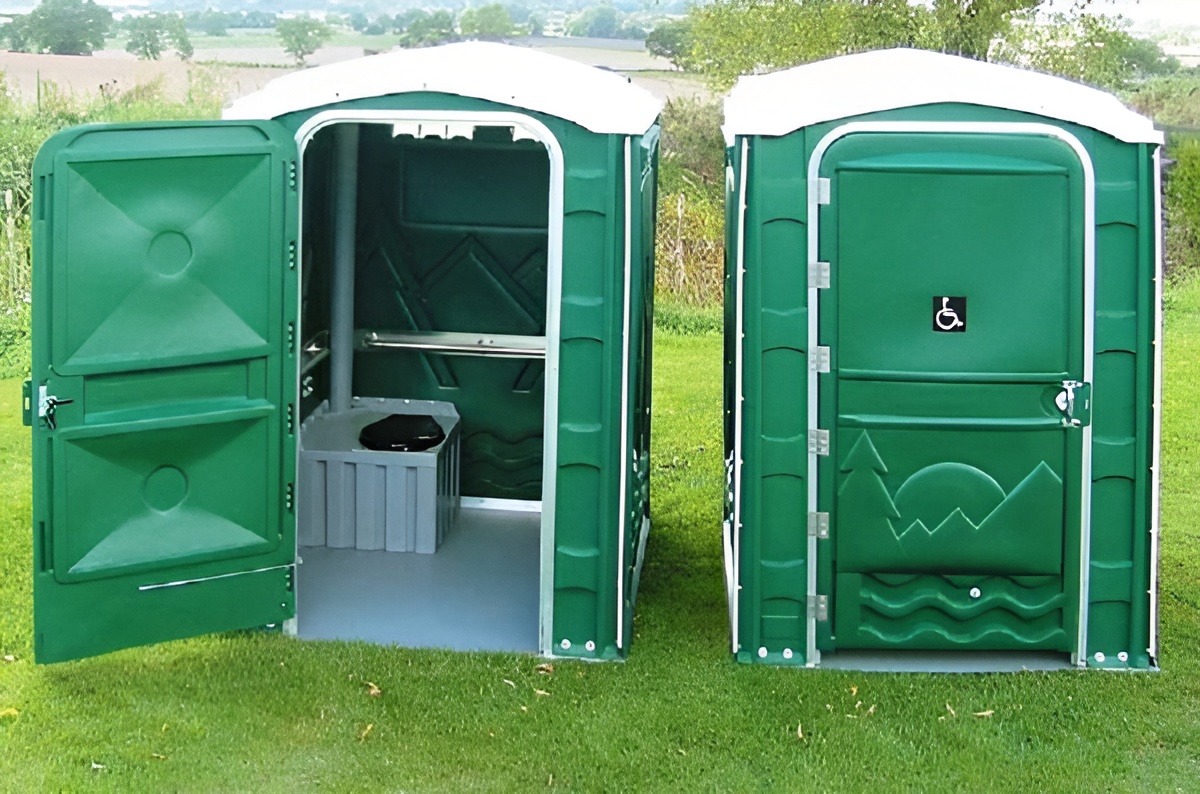
Developed as an alternative to full ADA-compliant restrooms, the Liberty is a spacious, wheelchair-accessible unit that can also be promoted as a family-sized restroom. Includes a patented flat-floor system for easy wheelchair access and maneuverability.Handrails, paper holder, and rotary latch are designed for simple, intuitive end-user operation.
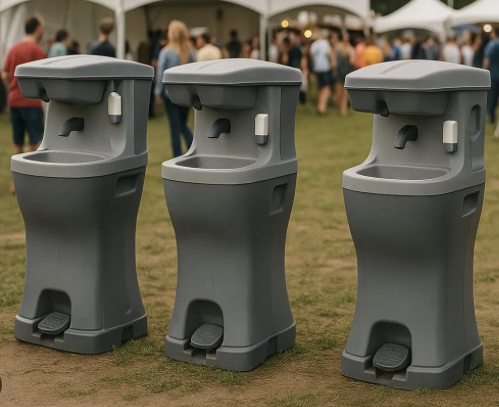
Portable hand washing stations are essential for keeping your work site sanitary and clean. Features hands-free foot pumps, liquid soap, and paper towels.Perfect for job sites without water hookups, these units can handle hundreds of washes between services.
We Proudly Serve
Standard Portable Toilets
Our standard portable toilets are a cost-effective solution for temporary sanitation needs at any North Carolina event or site.
High Rise Portable Toilets
High Rise Portable Toilets designed for the urban sprawl in Hickory, offering efficient and compact sanitation solutions.
Restroom Trailers
Our Restroom Trailers in Hickory provide luxury and comfort with their spacious interiors, perfect for upscale events.
Roll off Dumpsters
Roll off Dumpsters at A Sani-Can in Hickory offer practical waste management for construction and major clean-up projects.
Septic Tank Cleaning
Septic Tank Cleaning at A Sani-Can ensures safe and efficient waste management for homes across North Carolina.
Grease Trap Cleaning
We offer professional grease trap cleaning to ensure smooth operations and environmental compliance in Hickory, North Carolina.
Fencing & Barricades
Fencing & Barricades from A Sani-Can in North Carolina provide effective security and crowd control solutions for any event.
Residential Storage
In Hickory, our Residential Storage solutions provide secure and convenient solutions for your belongings.
Hickory Portable Toilet and Sanitation
In Hickory, securing a Portable Toilet is now a breeze thanks to our streamlined quote and delivery process. Easily request a quote by phone or online with just a few clicks. Our simple forms ask for essential information, like your contact name, phone number, and email, to get started promptly. Once we receive these details, our responsive team quickly springs into action, providing you with a prompt reply and a detailed estimate outlining your options. You'll be impressed by how swiftly we organize delivery, ensuring the units arrive flawless and ready for use. With our reliable and professional service, your event or project will continue smoothly, free from sanitation concerns. Trust us to handle the details while you focus on what matters most.
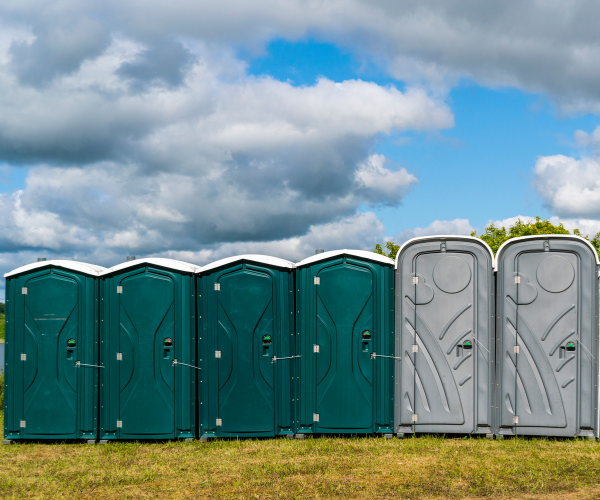
Welcome to Hickory, a region renowned for its lively atmosphere and community spirit, epitomized by events such as the Hickory Hops Brew Festival and the picturesque surroundings of Lake Hickory. Our portable toilets perfectly complement the local charm, offering practicality and convenience. By choosing us, you ensure that your guests enjoy clean and reliable facilities, enhancing their experience and enjoyment of Hickory's offerings. Whether you’re organizing a bustling festival, a scenic outdoor wedding by the lake, or a spirited event at Lenoir-Rhyne University, our units provide the comfort and cleanliness your guests expect. Our commitment to quality makes us the top choice for portable sanitation in Hickory.
The Best Choice in HickoryIn the heart of Hickory, our company distinguishes itself through unparalleled commitment to excellence and customer satisfaction. With extensive experience and local know-how, we offer customized solutions for any event. Choose us to benefit from our keen attention to detail, spotless units, and superior service that perfectly aligns with your unique requirements.We have built an outstanding reputation over the years by faithfully serving the Hickory community. Count on our adaptable solutions to meet your evolving needs, ensuring each project or event is a seamless success. Our proven track record makes us a trusted partner.
Swift and Reliable Portable Toilet ServicesFor bookings that require urgent attention, we offer a fast-track delivery system designed to meet pressing deadlines. Our team of professionals ensures that every portable toilet rented is delivered swiftly and in impeccable condition.With our streamlined processes and commitment to efficiency, we provide services that are both fast and reliable, leaving our clients confident and satisfied. When planning an event or a project, trust us to be an integral part of making it a seamless experience, guaranteeing success and convenience.
Learn More About Our Portable Toilets in Hickory
Renting a portable toilet in Hickory is a straightforward process designed for your convenience. Start by visiting our website and choose the 'Get A Quote' button available throughout the pages. This action will direct you to a user-friendly form found at the top and bottom of our web pages. Here, you'll need to fill out your first and last name, phone number, and email address to assist us in promptly contacting you. Once your form is submitted, our dedicated customer service team takes over, providing you with a customized rental quote. We ensure that each rental matches your specific needs, whether for small gatherings or large events. Our knowledgeable staff remains ready to answer any questions and guide you through the entire rental process. Trust us to reserve the most suitable unit for your occasion, making your experience both seamless and satisfactory.
Understanding the typical delivery timeframe for portable toilet orders begins with our dedication to efficiency and reliability. Once your order details and specifications are confirmed, our logistics team works quickly to coordinate delivery at your preferred time and date. Standard delivery times usually range from 24 to 48 hours, subject to availability and location specifics. Factors that can impact scheduling include event size, desired units, and seasonal demands that arise during busy periods. However, our team strives to accommodate urgent requests as swiftly as possible, offering expedited services when necessary. We focus on clear communication, keeping you informed every step of the way to guarantee you receive your units exactly when needed. Our objective is to ensure a flawless process, making sure your portable toilets arrive clean, on-time, and ready for immediate use, thus alleviating any stress associated with project planning.
Yes, we are fully equipped to service all types of events and construction needs, offering versatile solutions like luxury restroom trailers, porta potties, and holding tanks. Our diverse offerings cater to festivals, sporting events, weddings, corporate gatherings, and family reunions, ensuring your events run smoothly. Our comprehensive inventory includes ADA units, portable sinks, hand sanitizer stations, and more, suitable for any scenario requiring temporary sanitation. Each product we offer is designed for both functionality and convenience, helping to fulfill specific requirements whether for a bustling festival or a more intimate private event. Our commitment to flexibility allows us to adjust solutions to fit the unique demands of each situation, backed by quality service and maintenance. Partner with us to find tailored answers from a single place, ensuring that all sanitation needs are not just met but surpassed, promising satisfaction and continued peace of mind. Our dependable services are supported by knowledgeable staff who assist and guide you in selecting the best possible options, making us a leading choice for event and construction sanitation needs.