Portable toilets markedly contribute to eco-friendly practices across various sectors, emphasizing conservation, sanitation, and waste reduction. These units consume far less water than traditional bathroom systems, making them a sustainable choice where resources might be limited or costly to manage. Instead of flushing with gallons of water like conventional toilets, portable units typically use around 90% less, conserving significant volumes of water which is especially critical in areas experiencing water shortages or stress.Moreover, the waste contained within portable units is managed efficiently with a circular waste disposal process that prevents pollution, focusing on proper containment, transportation, and treatment at designated facilities. This ensures that environmental contamination is minimized, keeping ecosystems, wildlife, and communities safe from exposure to untreated waste.Using specially formulated chemicals, portable toilets not only control odors but also break down waste products more effectively than traditional municipal systems, which further aids in controlling pollutants. Another noted benefit is the reduction in carbon footprint thanks to minimal infrastructure impact.When events are organized in natural settings or at temporary venues, portable toilets eliminate the need for sewer connections or ground disturbance, preserving the integrity of the site while providing necessary amenities for attendees. Companies providing portable restrooms typically engage in eco-conscious practices, such as using recycled materials for toilet cabins and vehicles with lower emissions for servicing units.Ultimately, choosing portable toilets is both a smart ecological and practical choice, making them indispensable to sustainable practices and environmental stewardship.


Portable Toilet Rentals in Gaston County, North Carolina
Call today for a free quote (336) 980-2028
Portable Toilet
Fast, Easy, & 100% Free To Get Started
Over 30 Years of Experience
Providing over 30 years of dedicated service to Gaston County, our portable toilet company takes pride in its strong community connections and unwavering commitment to quality. Our legacy of excellence is matched only by our focus on customer satisfaction, ensuring every interaction with us is seamless and professional.
Unmatched Quality Service
We deliver quality service in every portable toilet rental, ensuring they are both clean and reliable. This dedication makes us the preferred choice for portable sanitation needs in Gaston County. Experience our professionalism and excellence firsthand with our exceptional services.
Fast, Reliable Delivery
Our Portable Toilet services are famous for rapid and dependable delivery. Be it a last-minute event or a planned construction project, we guarantee prompt arrival of our units to meet your needs. Trust us for swift service that maintains high standards of quality and cleanliness.
Portable Toilet Solutions in Gaston County
Call for a Free Quote Today
(336) 980-2028
In Gaston County, our Portable Toilet rental company distinguishes itself through dependable service, local ownership, and consistent reliability. Whether overseeing a construction site or hosting a party, festival, or wedding, we precisely cater to your needs. We proudly uphold our reputation for delivering immaculate, well-maintained units across Gaston County and nearby areas. As a locally owned business, we deeply understand the community's specific needs, offering personalized service. You're not only provided with products but also solutions that enhance your event or worksite experience. Rely on our steadfast commitment, letting us manage the logistics, so you can concentrate on the essentials.

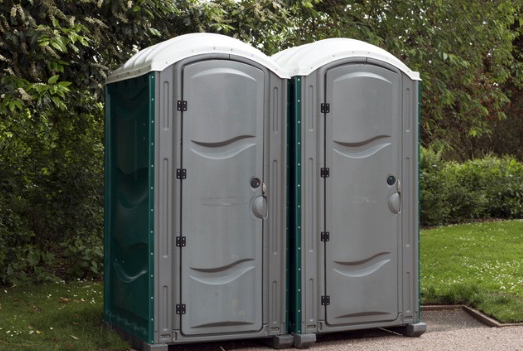
Our standard porta john rental units are durable and reliable for any commercial build site, housing development, public works project, or remodel job.Features include dome lighting, grated floors, and an “In-Use” locking mechanism for privacy and comfort. Regularly maintained, inspected, and cleaned by FusionSite at your location.
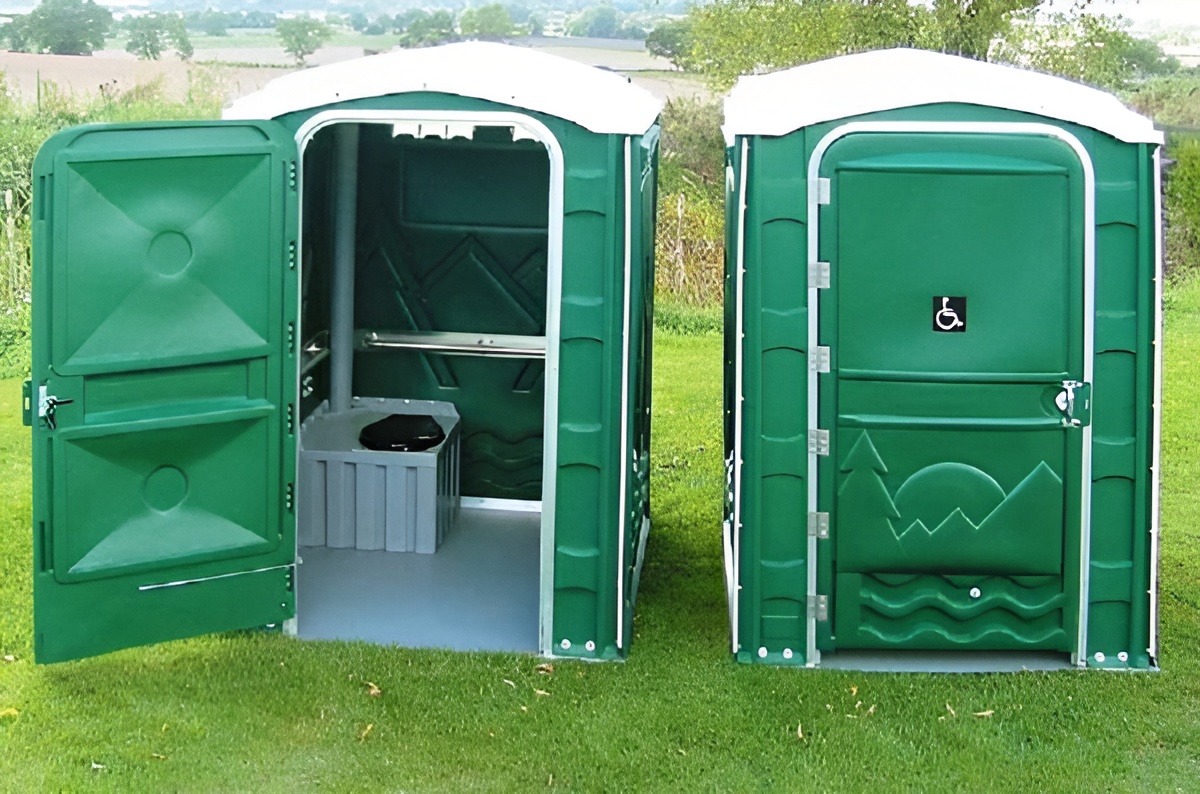
Developed as an alternative to full ADA-compliant restrooms, the Liberty is a spacious, wheelchair-accessible unit that can also be promoted as a family-sized restroom. Includes a patented flat-floor system for easy wheelchair access and maneuverability.Handrails, paper holder, and rotary latch are designed for simple, intuitive end-user operation.
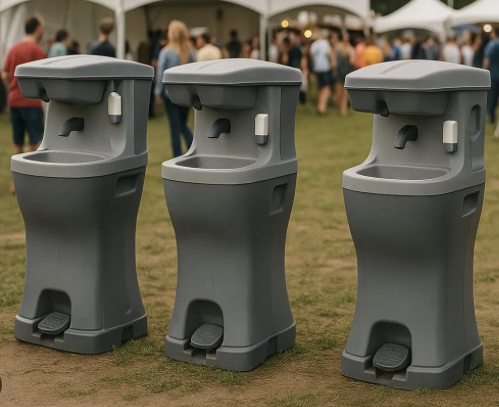
Portable hand washing stations are essential for keeping your work site sanitary and clean. Features hands-free foot pumps, liquid soap, and paper towels.Perfect for job sites without water hookups, these units can handle hundreds of washes between services.
We Proudly Serve
Standard Portable Toilets
Our Standard Portable Toilets deliver reliable and hygienic solutions for various events and sites across North Carolina.
High Rise Portable Toilets
Our High Rise Portable Toilets cater specifically to construction and high-rise building projects in Gaston County.
Restroom Trailers
Offering comfort and style, our Restroom Trailers in Gaston County are perfect for upscale events requiring additional amenities.
Roll off Dumpsters
A Sani-Can's Roll off Dumpsters provide convenient waste disposal solutions for residential and commercial projects in Gaston County.
Septic Tank Cleaning
Our Septic Tank Cleaning service at A Sani-Can ensures efficient and thorough waste management across North Carolina.
Grease Trap Cleaning
We offer professional Grease Trap Cleaning services for restaurants and other businesses in Gaston County, keeping your operations smooth.
Fencing & Barricades
Our Fencing & Barricades service provides robust security solutions for events and construction sites throughout North Carolina.
Residential Storage
Our Residential Storage service in Gaston County offers secure and convenient storage solutions tailored to your needs.
Gaston County Portable Toilet and More
In today's fast-paced environment, convenience and speed are key factors in choosing service providers. At our Gaston County Portable Toilet company, we've streamlined the process of obtaining quotes and scheduling deliveries to perfection. Our easy-to-navigate website includes clear 'Get A Quote' buttons strategically placed for your convenience. By clicking on any of these, you're promptly directed to simple forms that capture essential information, allowing us to get back to you with a comprehensive quote fit to your specific needs. Once you've submitted your details, which typically involves just your name, contact number, and email, we swiftly process your request, ensuring a timely response. All this can be done from multiple devices, be it a computer, tablet, or smartphone, offering flexibility and efficiency. Our delivery framework is built to offer not just speed but reliability, so when you opt for multiple units for a large event or a single compact unit for a construction site, trust our dispatch team to get it to you precisely when needed. In essence, our service is synonymous with convenience, providing you with not just portable toilets, but peace of mind as well.
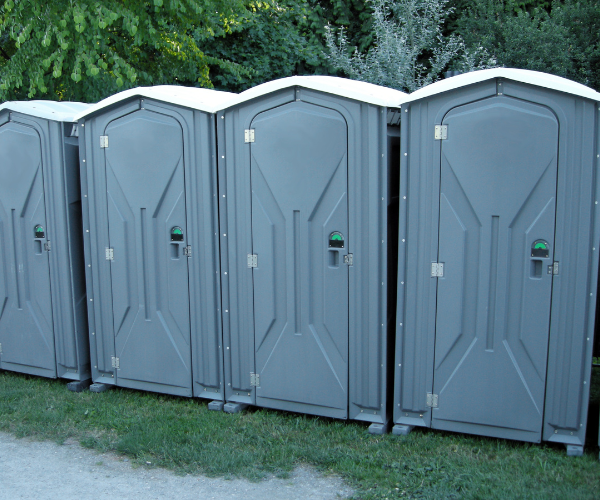
Explore the Local Charm with Our Portable Toilets Nestled in the heart of Gaston County, our portable toilet rental service perfectly complements local charm while enhancing outdoor experiences. From vibrant events like the annual Gastonia Freedom Parade to enchanting weddings near Crowders Mountain State Park, our units seamlessly integrate into the community's fabric. With easy access and reliable service, we ensure your guests are both comfortable and satisfied at every event. Tailored for Community Events Whether you're organizing a bustling outdoor fair, a serene family reunion at Dallas Park, or local sports events, our clean and modern portable toilets are an ideal choice. Prioritizing comfort and convenience, they blend into the venue settings without detracting from the event's appeal. Embrace Nature with Convenience Relish Gaston County's natural beauty without sacrificing comfort. Our portable toilets are equipped with enhancements that bring modern luxuries to remote locations, ensuring your outdoor adventure is memorable for all the right reasons. Rely on us to deliver timely and efficient services tailored to your specific needs.
Your Best Choice in Gaston CountyWhen it comes to finding the perfect portable toilet solution in Gaston County, look no further than our trusted service. We stand out with our exceptional attention to detail, ensuring each unit is clean, durable, and ready for all types of events and projects. Backed by years of experience, we are synonymous with reliability and quality, providing tailored solutions designed to meet your unique needs. Whether it's a small family gathering or a large corporate function, our expertise helps set the gold standard in sanitation services, keeping customer satisfaction at the forefront.Emphasizing local charm, we know Gaston County like no other service provider, making us the go-to choice for events that aim to impress.
Fast, Reliable Services at Your FingertipsOur services set the gold standard for speed and reliability in Gaston County's portable toilet industry. We prioritize the timely delivery of facilities for events and construction projects. Our efficient processes guarantee that you receive exactly what you need, precisely when you need it.From your first contact with us, we pledge to exceed your expectations by delivering efficient, timely service that maintains high standards of quality and customer satisfaction.Rely on our expertise and trusted delivery service for unmatched convenience and peace of mind every time.
Gaston County: Discover Our Portable Toilets
Renting a portable toilet in Gaston County is designed to be a straightforward and hassle-free process. Our streamlined online platform ensures you can quickly access the necessary details with just a few clicks. To begin, simply visit our website where you'll find 'Get A Quote' buttons placed strategically throughout the pages.Choosing any of these will lead you to a form requesting basic information including your first name, last name, phone number, and email address. Submitting this form automatically notifies our team of your interest, allowing us to reach back with a custom quote addressing your specific requirements.Our quotes are comprehensive yet easy to understand, covering delivery, maintenance, and other services without hidden fees, ensuring transparency at every level. Also, you can contact us directly via phone for even more immediate advice and assistance, should you prefer a more personalized interaction. Our aim is to equip you with all the information and choice options needed to make informed decisions effortlessly, ensuring that the sanitation for your event or project runs seamlessly, without the worry of last-minute issues or overlooked details. Additionally, whether you're a corporate client or dealing with private events, we cater to all, from small gatherings to large-scale projects. Experience the convenience of a modern rental service dedicated to customer satisfaction.
Understanding the typical delivery timeframe for portable toilet orders is crucial for organizing successful events and projects. Once you place an order with us, we prioritize timely delivery, aligning with your schedule and logistical needs. Generally, our standard delivery lead time ranges from 24 to 48 hours, depending on your location within Gaston County and current service demands.We work closely with you, assessing the urgency and specifics of your request, and strive to accommodate tighter deadlines for urgent or last-minute needs. For large events or construction projects, booking in advance secures your preferred service dates, enabling us to deliver precisely on time.Factors such as weather conditions, specific access requirements, and site readiness can impact delivery times. We are committed to transparent communication, keeping you informed about your order status to prevent unexpected delays or scheduling issues.For events and projects planned further ahead, collaborating with our team allows us to optimize route logistics, ensuring our consistent punctuality and your satisfaction. Rely on us for a delivery experience that not only meets but exceeds expectations in reliability.
Yes, we are well-equipped to service all types of events and construction needs with our versatile portfolio of sanitation solutions. From bustling festivals to prestigious sporting events, our service extends to every corner of your needs spectrum, including weddings, corporate events, and family reunions.We pride ourselves on offering more than just portable toilets; our range includes luxury restroom trailers, porta potties, roll-off dumpsters, fencing and barricades, holding tanks, ADA units, portable sinks, and hand sanitizer stations. This comprehensive selection ensures we can meet diverse requirements while providing outstanding service standards.Each event's unique needs are catered to with precision and attention to detail, ensuring guests and contractors alike experience utmost cleanliness and convenience. Our team is dedicated to customizing our offerings, making them scalable and suitable for any scale or type of gathering, indoor or outdoor.Moreover, we prioritize the ecological footprint of our operations, committing to sustainable practices that enhance the quality of service you receive. Trust us to deliver a service that reflects commitment, quality, and local expertise.