Portable Toilets are not just a convenient choice for outdoor and temporary restroom needs, but they also offer significant eco-friendly advantages. One of the foremost benefits is the reduction of water usage. Portable toilets use very little to no water compared to traditional toilets, which require gallons of water per flush. This conservation of water, especially in areas prone to drought or with limited water resources, contributes significantly to environmental sustainability. Additionally, modern portable toilets often incorporate eco-friendly chemicals that help break down waste, reducing the potential environmental impact of waste disposal. Moreover, the centralized waste collection in portable units allows for more controlled disposal processes, ensuring that waste is treated appropriately and that raw sewage does not contaminate natural water bodies. By minimizing this risk, portable toilets play a critical role in protecting local ecosystems and maintaining biodiversity. Furthermore, the materials used in constructing portable toilets, such as recyclable plastics, can be repurposed after the unit's life span, reducing landfill waste. Lastly, transportation efficiency in delivering and servicing portable toilets reduces fuel consumption and emissions compared to permanent restroom facilities that require constant resources over extended periods. Together, these eco-friendly features make portable toilets a wise choice for those conscious of their environmental footprint.

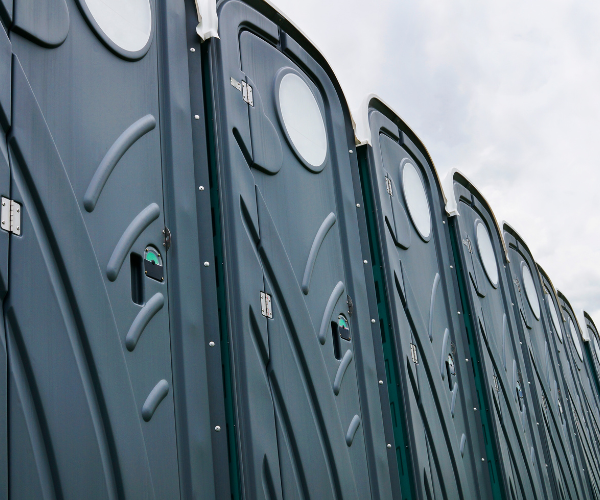
Portable Toilet Rentals in China Grove, North Carolina
Call today for a free quote (336) 980-2028
Portable Toilet
Fast, Easy, & 100% Free To Get Started
Over 30 Years of Experience
For over three decades, our company has reliably supplied portable toilets in China Grove, NC. Our strong community ties and dedication to high standards guarantee satisfaction throughout your experience.
Unmatched Quality Service
We deliver quality service by prioritizing cleanliness and customer satisfaction. Our units are maintained to the highest standards, providing a reliable sanitation solution for any occasion.
Fast and Efficient Delivery
We deliver portable toilets quickly and efficiently, ensuring you have what you need exactly when you need it. We take pride in our prompt responses and seamless, hassle-free service.
Best Portable Toilet Solutions in China Grove
Call for a Free Quote Today
(336) 980-2028
Our Portable Toilet company in China Grove, North Carolina, prides itself on providing top-notch sanitation solutions for any event or site. As a locally owned business, we offer dependable and reliable services, ensuring that your needs are met with the highest standards. Whether you're organizing a construction project, hosting a party, running a festival, or planning a wedding, our portable restrooms offer the flexibility and convenience you need. We serve not only China Grove but also the surrounding areas, guaranteeing quick delivery and setup. Trust us to enhance your guests' experience with our clean and well-maintained units. With our commitment to quality, we aim to be your go-to choice in portable sanitation solutions.
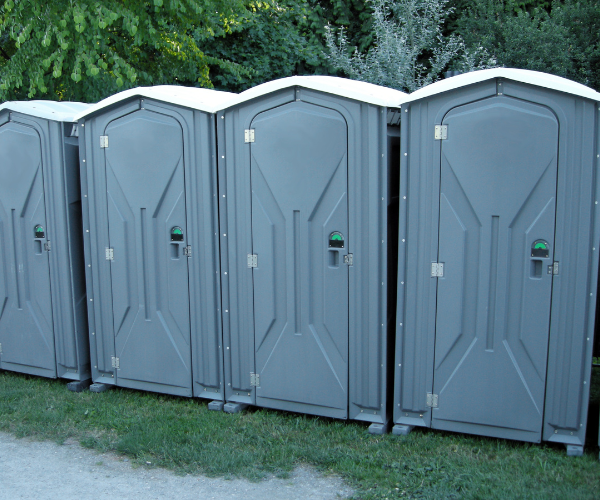
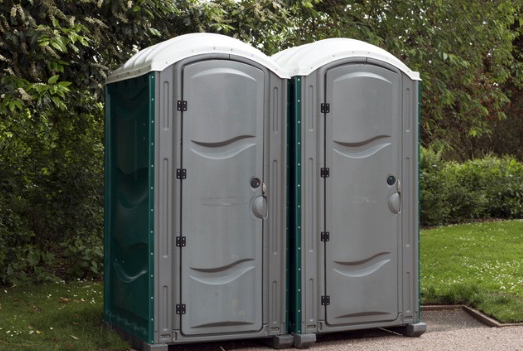
Our standard porta john rental units are durable and reliable for any commercial build site, housing development, public works project, or remodel job.Features include dome lighting, grated floors, and an “In-Use” locking mechanism for privacy and comfort. Regularly maintained, inspected, and cleaned by FusionSite at your location.
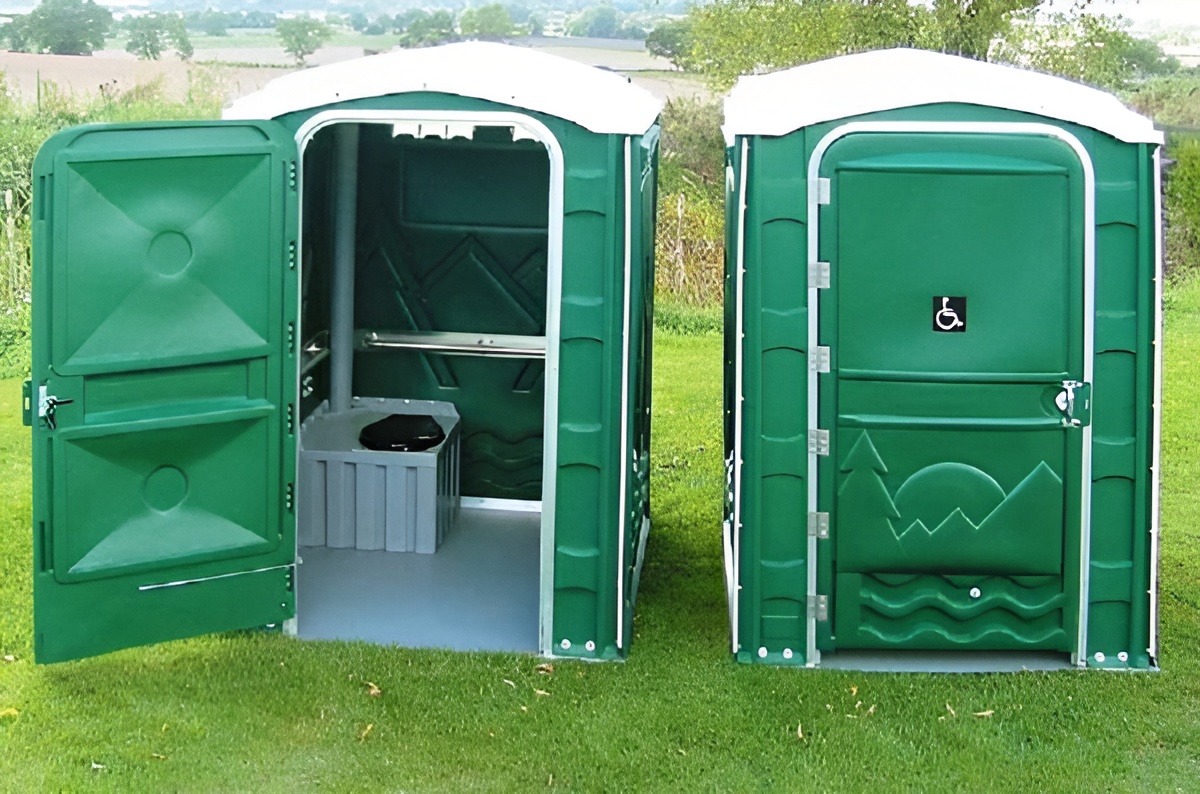
Developed as an alternative to full ADA-compliant restrooms, the Liberty is a spacious, wheelchair-accessible unit that can also be promoted as a family-sized restroom. Includes a patented flat-floor system for easy wheelchair access and maneuverability.Handrails, paper holder, and rotary latch are designed for simple, intuitive end-user operation.
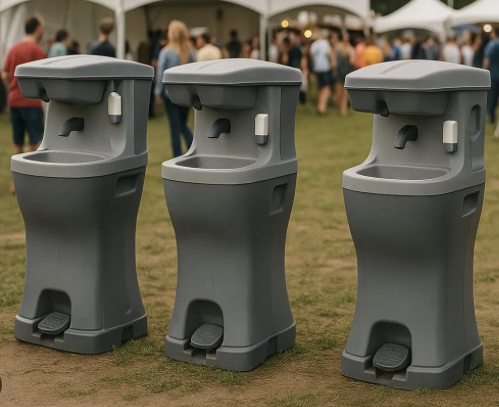
Portable hand washing stations are essential for keeping your work site sanitary and clean. Features hands-free foot pumps, liquid soap, and paper towels.Perfect for job sites without water hookups, these units can handle hundreds of washes between services.
We Proudly Serve
Standard Portable Toilets
Our Standard Portable Toilets offer convenient, clean, and durable sanitation solutions for events and job sites across North Carolina.
High Rise Portable Toilets
High Rise Portable Toilets provide practical solutions for convenient sanitation in multi-story construction projects in China Grove.
Restroom Trailers
Our Restroom Trailers in China Grove offer upscale amenities, ensuring luxury and comfort for any special event hosted by A Sani-Can.
Roll off Dumpsters
A Sani-Can provides Roll off Dumpsters in China Grove for efficient waste removal tailored to the unique needs of various projects.
Septic Tank Cleaning
Septic Tank Cleaning from A Sani-Can ensures your systems in North Carolina run efficiently, preventing backups and maintaining hygiene standards.
Grease Trap Cleaning
Our Grease Trap Cleaning service in China Grove ensures your facilities run smoothly and comply with local environmental regulations.
Fencing & Barricades
Fencing & Barricades from A Sani-Can offer security and crowd control solutions for events and construction sites across North Carolina.
Residential Storage
Our Residential Storage solutions provide secure storage options for homes in China Grove, ensuring space optimization and safety.
China Grove Portable Toilet and Sanitation Services
Obtaining a quote for our Portable Toilet services in China Grove is straightforward and convenient. Customers can use our online forms located at the top and bottom of our web pages, designed for ease of use. Just fill out your first and last name, phone number, and email to get started. Alternatively, our 'Get A Quote' buttons are strategically placed throughout our site, providing instant access to our competitive pricing. Once you've submitted your information, our experienced team will review your request promptly. Typically, you'll receive a personalized quote that considers the unique requirements of your event or project within just a few hours. We ensure not only affordability but also clarity in what each package offers, making it easy for you to make an informed decision.

Our Portable Toilet services in China Grove are designed to enhance the experience of visitors at local attractions and community events, such as the annual China Grove Farmers Day. Whether you're hosting a festival at one of the town's vibrant parks or organizing a corporate gathering near downtown, our portable toilets provide a practical and essential service. China Grove's charm shines through its community spirit and the nearby scenic landscapes, making it an ideal spot for outdoor activities throughout the year. By choosing our service, you ensure every guest enjoys comfort and cleanliness with our advanced portable restroom facilities. We pride ourselves on reliability and attention to detail, delivering consistently clean and well-stocked units that integrate seamlessly into any event setting. Our dedication to supporting local gatherings makes us the preferred choice for portable sanitation in the area.
Our Portable Toilet services in China Grove distinguish themselves through our unwavering commitment to excellence and deep-rooted local expertise. With years of experience in the community, we possess an unparalleled understanding of our clients' unique needs and expectations. We prioritize building robust customer relationships, providing not just portable toilets but exceeding expectations with our rigorous cleanliness standards and dependable delivery. Our dedicated team supports China Grove's dynamic environment, ensuring every event or project benefits from tailored solutions and personalized care, making us the superior choice for portable sanitation needs.
Our company is focused on delivering fast and reliable Portable Toilet services, making us a preferred partner for events and construction sites in China Grove. Our commitment to prompt delivery means we understand the time-sensitive nature of our clients' needs and prioritize efficiency in every aspect of our service. From the moment you place an order, our team mobilizes swiftly to ensure timely setup and support. We handle every logistical detail with professionalism and attention to detail, allowing you to focus on other essential elements of your event or project. Through our dedication to maintaining high-quality standards, we guarantee that each portable toilet unit is prepared and delivered with the utmost care, emphasizing our reliability and customer satisfaction.
Learn More About Our Portable Toilets in China Grove
Renting a Portable Toilet in China Grove is a simple process designed for ease and convenience. To begin, you can visit our website, where we've streamlined the booking process. You'll find forms conveniently located at both the top and bottom of the page, as well as strategically placed 'Get A Quote' buttons throughout our site. These tools allow you to quickly request a quote tailored to your needs. Simply provide basic contact information, such as your first and last name, phone number, and email address. Once submitted, our team of experts will promptly review your request and respond with pricing details customized for your event or project. From there, our customer service representatives are available to assist you with any additional questions or arrangements necessary. Whether it's for short-term rental at a local gathering or a long-term solution for ongoing construction, our rental process ensures you receive the ideal portable toilet setup to meet your requirements. We take pride in offering responsive support and flexible rental options that align with your schedule and budget.
The delivery timeframe for Portable Toilet orders varies based on several factors, including order size, location, and specific requirements. However, our company is committed to efficiency and typically offers delivery within 24 to 48 hours of order confirmation. This prompt service is a hallmark of our commitment to customer satisfaction, allowing you to focus on other essential aspects of your event or project without delay. For events with critical timing components or construction projects where coordination is key, our team goes the extra mile to ensure our facilities are on-site exactly when and where they're needed. Communication is an integral part of our delivery service; we keep clients updated through every stage, from order preparation to on-route notifications and arrival confirmations. In urgent cases, we offer expedited delivery services tailored to your specifications. Our deep understanding of the transportation logistics involved in delivering portable toilets enables us to overcome challenges effectively, ensuring reliable and timely arrivals. Through our experience and dedication, we aim to remove the stress from your sanitation planning and make your event or project a seamless success.
Yes, we are equipped to service a wide variety of events and construction projects with our comprehensive range of portable sanitation solutions. Whether it's a community festival, a high-profile sporting event, an elegant wedding, or a critical corporate gathering, we provide the necessary facilities to ensure the comfort of all attendees. Our offerings include an array of luxury restroom trailers, standard porta potties, portable sinks, hand sanitizer stations, and ADA-compliant units, each tailored to meet different capacity and accessibility needs. For construction sites, our rugged and functional portable toilets accommodate long-term use and high traffic, while our roll-off dumpsters and barricades offer essential support for waste management and site safety. With extensive experience managing everything from intimate backyard celebrations to large-scale international events, our team is prepared to help you select the perfect combination of services to meet your specific situation. Let us handle the logistics of providing and servicing your portable restroom needs, allowing you to focus on executing a successful event or project.