Using restroom trailers offers a variety of eco-friendly advantages, starting with their water-efficient technologies. Modern restroom trailers are equipped with low-flow toilets and touchless faucets that significantly reduce water usage compared to traditional restrooms. Additionally, many trailers incorporate solar-powered lighting, decreasing reliance on electricity derived from non-renewable sources. This not only lowers operational costs but also reduces the carbon footprint associated with powering typical restroom facilities. Another important aspect is the containment systems that are integrated into these trailers. They efficiently manage waste and can often be connected to environmentally-certified waste disposal processes, ensuring that waste is treated in a manner that minimizes environmental impact. Furthermore, when considering carbon emissions from transport, restroom trailers can be strategically located and moved in alignment with events, reducing unnecessary travel and related emissions. Beyond these operational efficiencies, restroom trailers also enable the reuse of spaces that would otherwise lack sufficient sanitation facilities, thus supporting more sustainable development practices by promoting flexible land use. Collectively, these features highlight how restroom trailers provide a more sustainable, eco-friendly option for temporary or event-focused sanitation needs, aligning with modern environmental priorities and contributing positively to green initiatives. Their portable nature also helps in reducing the need for permanent infrastructure, which may have consequential environmental disruption. Hence, choosing a restroom trailer is not just a consideration of convenience but an essential step towards sustainable event planning.

Restroom Trailer Rentals in Lexington, North Carolina
Call today for a free quote (336) 980-2028
Restroom Trailer
Fast, Easy, & 100% Free To Get Started
Over 30 Years of Experience
With 30 years of expertise, our restroom trailer services in Lexington demonstrate an unwavering commitment to quality and community. Our enduring presence in the area guarantees dependable, high-standard service tailored for our loyal customers.
Commitment to Quality Service
We pride ourselves on delivering top-notch quality in all our restroom trailer rentals. Our commitment ensures that every unit is meticulously maintained, providing your guests with a sanitary and pleasant experience.
Fast and Reliable Delivery
We deliver your restroom trailer promptly and consistently, ensuring it arrives exactly when needed. By focusing on efficiency and accuracy, we make the rental process smooth and worry-free.
Luxury Restroom Trailers in Lexington
Call for a Free Quote Today
(336) 980-2028
Discover the top choice for restroom trailer rentals in Lexington, North Carolina, where we deliver exceptional service backed by our dependable and reliable reputation. As a locally owned company, we pride ourselves on understanding the needs of our community and nearby areas, providing expertly maintained trailers for a variety of events including construction sites, parties, festivals, and weddings. Our commitment to excellence ensures that your events run smoothly with the peace of mind that comes from clean and comfortable facilities. Experience unmatched customer service and flexible solutions tailored to any occasion, large or small. Choose our restroom trailers and join the many satisfied clients who trust us for quality, cleanliness, and local expertise.
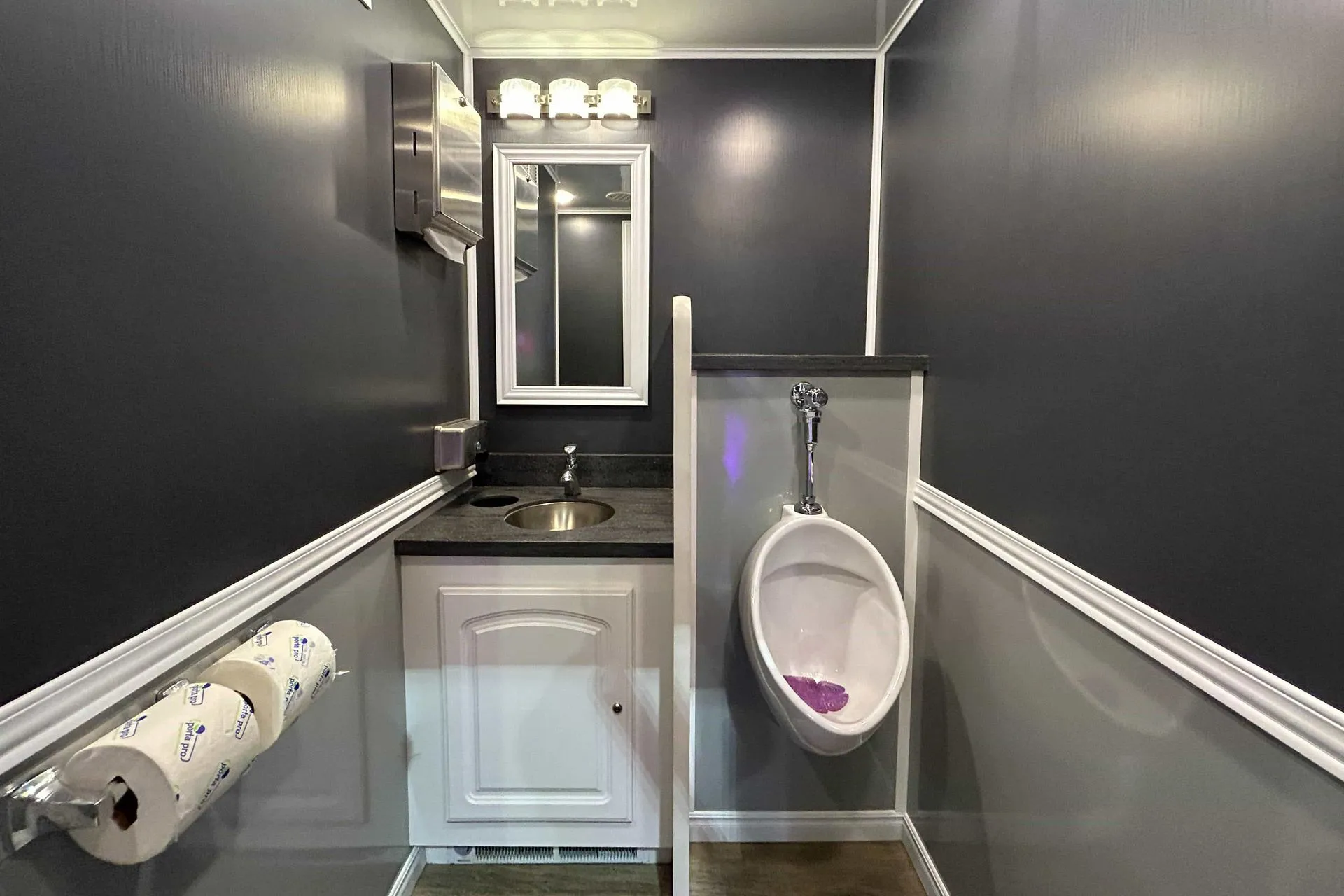
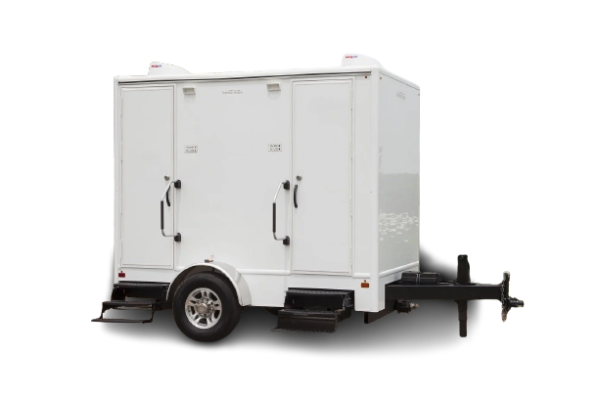
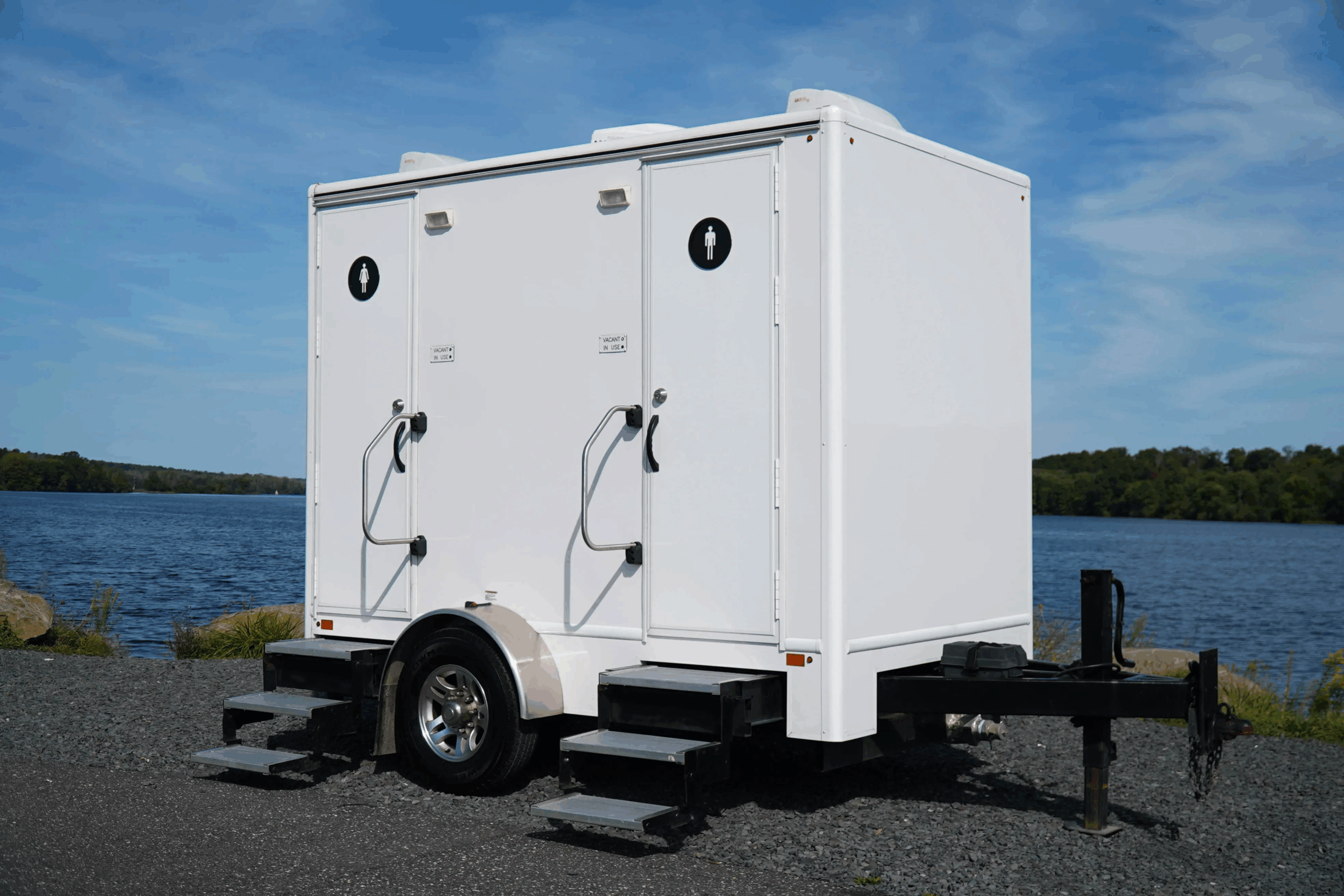
A compact, stylish solution featuring separate entrances for men and women.Each private suite includes flushing toilets, sinks with running water, interior lighting, and climate control for comfort at any event or worksite. (We offer variants 2–10 stalls.)
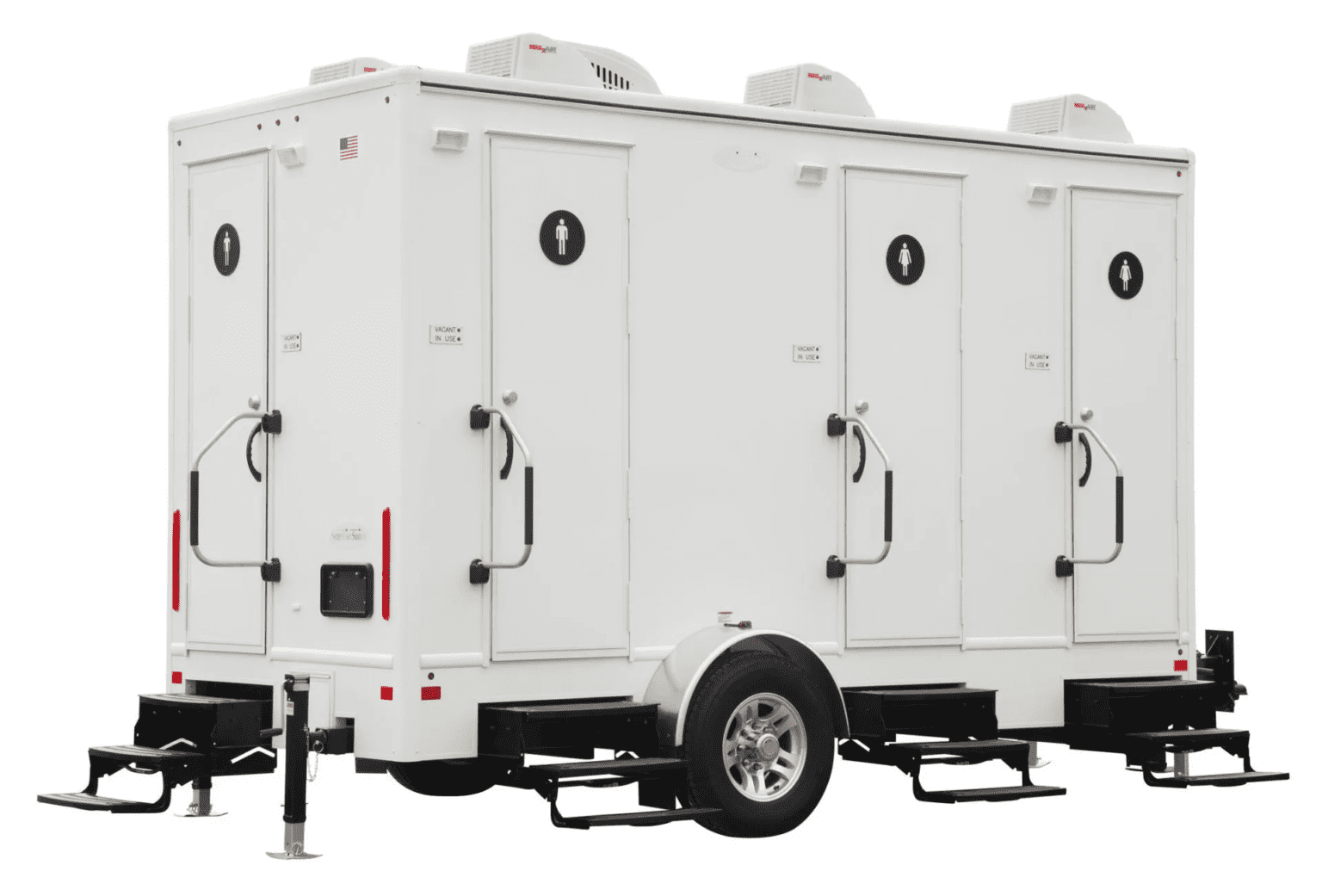
Designed for higher guest capacity, this unit offers four private, individual restrooms with flushing toilets, sinks with running water, interior lighting, and climate control. Ideal for weddings, festivals, and busy job sites.(We offer variants 2–10 stalls.)
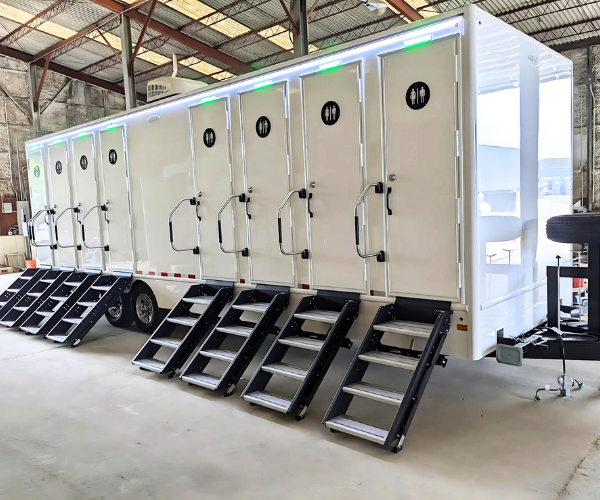
Perfect for large events and high-traffic sites, this spacious trailer provides eight private stalls, each with a flushing toilet, sink with running water, interior lighting, and climate control. A reliable, upscale solution for maximum convenience and comfort.(We offer variants 2–10 stalls.)
We Proudly Serve
Standard Portable Toilets
A Sani-Can in North Carolina provides clean, easy-to-use standard portable toilets for any occasion.
High Rise Portable Toilets
High Rise Portable Toilets in Lexington offer essential sanitation solutions for multi-story construction sites.
Restroom Trailers
A Sani-Can offers premium restroom trailers in Lexington, perfect for upscale events and gatherings.
Roll off Dumpsters
Efficient roll off dumpster services by A Sani-Can ensure waste management convenience in Lexington.
Septic Tank Cleaning
Septic tank cleaning by A Sani-Can in North Carolina offers thorough and dependable service.
Grease Trap Cleaning
Expert grease trap cleaning in Lexington by A Sani-Can ensures optimal operation for your restaurant or facility.
Fencing & Barricades
Reliable fencing and barricade solutions from A Sani-Can protect your North Carolina site efficiently.
Residential Storage
Lexington's trusted residential storage by A Sani-Can ensures secure and convenient solutions.
Lexington Restroom Trailers and More
Streamlining the process of obtaining and utilizing a restroom trailer has never been more convenient in Lexington. From the initial quote to the seamless delivery, we ensure every step is straightforward and efficient. Simply reach out through our website or contact us directly to get a competitive quote tailored to your event or site requirements. Our dedicated team is ready to assist with any special arrangements, ensuring that no detail is overlooked. The ease of our service is complemented by prompt transportation of your restroom trailer to your desired location, ensuring minimal setup time and maximum convenience. With our focus on client satisfaction, overcoming logistical challenges is effortless, making our restroom trailer rental an essential, hassle-free addition to any gathering, construction project, or emergency situation.
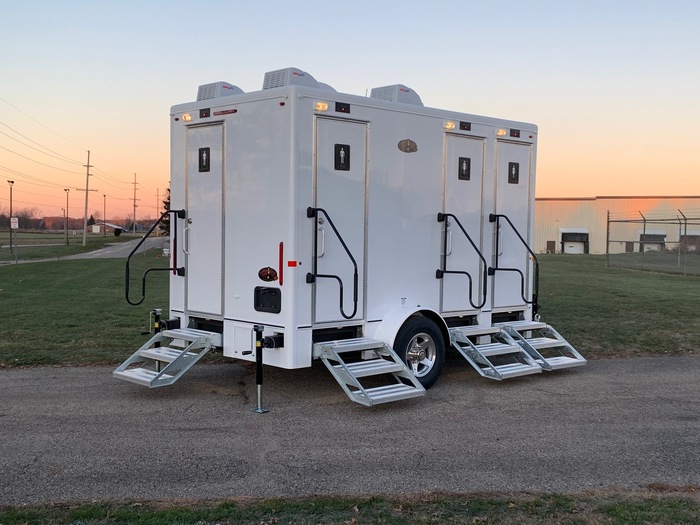
In the charming locale of Lexington, our restroom trailers offer more than just functionality—they enhance every event with modern convenience tailored to your surroundings. Whether your guests are attending the famous Lexington Barbecue Festival or celebrating a special occasion near the picturesque High Rock Lake, our restroom facilities deliver both elegance and practicality. Surrounded by natural beauty and a close-knit community, Lexington provides the perfect backdrop for seamless restroom solutions that cater to local attractions and vibrant community events. Our operation is finely tuned to align with the scenic charm and demands of the area, providing clean, reliable, and efficient restroom trailers that are indispensable for any outdoor or event setting. The comfort of your guests is our priority, ensuring an uninterrupted enjoyment of the occasion without concerns over facilities. Partnering with our service guarantees not only a sanitary environment but also a commitment to enhancing guest satisfaction through top-tier sanitation solutions across Lexington and its neighboring areas.
As leaders in restroom trailer rentals, we recognize Lexington's vibrant spirit and the high expectations of its residents. Our dedication to exceptional service quality distinguishes us within this thriving community. We prioritize client needs with unmatched offerings, providing flexibility whether you're hosting a grand event or overseeing a busy construction site. Our units are specifically tailored to meet a diverse range of requirements, ensuring your restroom needs are addressed with precision and professionalism. Our excellent reputation in Lexington comes from a client-focused approach that emphasizes continuous improvement and cutting-edge equipment standards. We aim to be a reliable partner in meeting the evolving sanitation needs of this dynamic area.
Our dedication to providing fast and reliable restroom trailer services distinguishes us in Lexington and beyond. Recognizing the imperative need for timely access to clean facilities, we prioritize prompt service without sacrificing quality. From the moment you place your order, our experienced logistics team ensures that your unit reaches its destination swiftly, meticulously addressing location-specific requirements for a seamless setup. Our reactive and strategic delivery processes enable us to effectively cater to sudden surges in demand, ensuring that your event or site operations continue without interruption. With our dependable restroom trailers, you can focus on what truly matters while we handle your sanitation needs proficiently.
Lexington's Premier Restroom Trailer Solutions
Renting a restroom trailer in Lexington is a straightforward process designed for your convenience. Begin by visiting our website, where you'll find 'Get A Quote' buttons prominently featured on various pages to direct you to our user-friendly inquiry forms. These forms require basic information such as your first and last name, phone number, and email, streamlining the process so you can receive a tailored quote efficiently. Once submitted, our team promptly reviews your requirements and sends a detailed quote directly to your specified contact method. Should you prefer, our customer service team is available to assist over the phone or via email, ensuring that all nuances and event specifications are addressed comprehensively. The added transparency and ease of interacting with our rental service reflect our commitment to optimal customer support throughout the renting experience. Additionally, our online system ensures that your request is responded to rapidly, allowing you to finalize your plans well in advance of your event date. From corporate gatherings and weddings to private parties and construction sites, our extensive range of restroom trailers meets varying specifications and demands, further highlighting our flexibility and dedication to customer satisfaction.
The delivery timeframe for restroom trailers typically depends on several factors, including the location of your event and the availability of units at the time of booking. Generally, we recommend placing your order two to three weeks prior to your event to secure preferred models and scheduling. This advance booking ensures that we can meet your requirements without delay and provide the best possible service. However, we understand that sometimes events can be planned on short notice; therefore, we also offer expedited delivery options for urgent requests. Our efficient logistics team coordinates with you to establish a timely setup, aiming to deliver units at least 24 to 48 hours before your event begins. In cases of recurring rental needs or ongoing construction projects, we work closely with clients to schedule regular deliveries and pickups based on your specific timeline. Our flexibility and commitment to prompt and reliable service are key factors in maintaining the high standards our clients expect. Additionally, our expansive network of mobile units allows us to cater to various locations with ease, regardless of the accessibility challenges that may arise. Rest assured, we prioritize punctuality and professionalism with every delivery to ensure your complete satisfaction.
Yes, we proudly provide services tailored to any event or construction requirements. Our adaptable solutions cater to the specific needs of diverse gatherings, from lively festivals and sports events to elegant weddings and professional conferences. Our impressive inventory includes luxury restroom trailers, porta potties, roll-off dumpsters, fencing and barricades, holding tanks, ADA-compliant units, portable sinks, and hand sanitizer stations. Each unit is meticulously cleaned and sanitized to ensure the highest standards of hygiene and convenience. Our dedication to flexibility and quality enables us to offer customized solutions that effortlessly align with your event or site specifications. We guarantee prompt delivery and setup, freeing you to concentrate on other essential details without worry. Whether it's an intimate family reunion or an extensive construction project, our extensive product range ensures we have the perfect solutions to support your needs and surpass your expectations.