Restroom trailers present an eco-friendly solution for sanitation, offering several advantages over traditional restroom options. With features that utilize efficient water usage, many trailers come equipped with low-flow fixtures, significantly reducing water consumption without compromising on quality. The installation of advanced waste management systems allows for better waste processing and reduces environmental impact, turning less waste into harmful byproducts. Additional benefits include the use of eco-friendly materials that are sustainable and more environmentally conscious. Many trailers are equipped with solar-powered systems that provide off-grid capabilities, reducing dependency on external electrical sources and lowering the overall carbon footprint. Hygiene is a critical aspect, and restroom trailers are designed to feature minimal chemical usage unnecessary for maintaining cleanliness, as many utilize environmentally safe cleaning products. Not only does this reduce chemical pollution, but it also contributes to healthier environments for users. Frequent maintenance ensures optimal performance, minimizing leaks and potential environmental hazards from outdated systems. The aesthetic appeal of bathroom trailers makes them suitable for scenic venues and outdoor events, where preserving the natural landscape is important. They offer the flexibility to be placed in a variety of environments with minimal disruption to the surroundings, further exemplifying their eco-friendliness. Comprehensive planning goes into their design, including attention to energy efficiency, waste reduction, and sustainable infrastructure that aligns with modern ecological standards. When an event or venue opts for restroom trailers, it reflects a conscious choice towards impacting the environment positively. In summary, the decision to use restroom trailers is environmentally conscious, yielding reduced resources and beneficial impacts as compared to traditional portable options. Their eco-friendly claims are substantiated by a combination of reduced water and energy usage, effective waste management, and sustainable materials—all contributing significantly to lessening their environmental footprint.

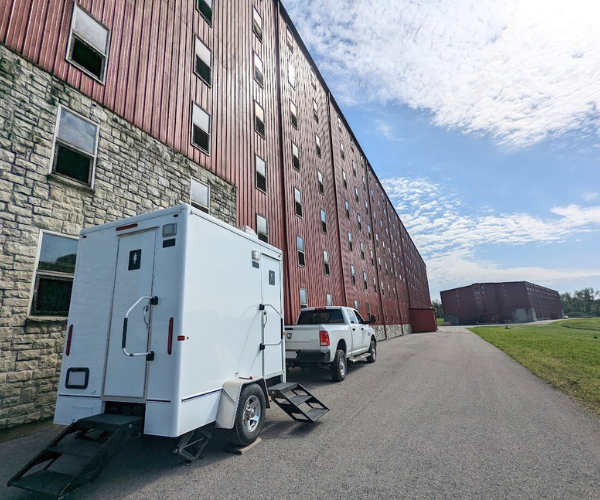
Restroom Trailer Rentals in Jonesville, North Carolina
Call today for a free quote (336) 980-2028
Restroom Trailer
Fast, Easy, & 100% Free To Get Started
Over 30 Years of Excellence
For over 30 years, we have proudly served the Jonesville community, ensuring top-quality sanitation services with an unwavering commitment to excellence. Our dedication to customer satisfaction establishes us as a reliable choice for your sanitation needs.
Unmatched Quality Service
We pride ourselves on delivering spotless, fully-equipped restroom trailers that enhance any event. Our customer-focused service guarantees a seamless rental experience, ensuring both your peace of mind and guest satisfaction.
Reliable, Quick Delivery
We deliver your Restroom Trailer promptly and efficiently, ensuring it arrives exactly when you need it. Count on us for reliable and quick service, tailored to fit the demands of your busy schedule.
Top Restroom Trailer Solutions in Jonesville
Call for a Free Quote Today
(336) 980-2028
Welcome to your top choice for restroom trailer rentals in Jonesville. Our company prides itself on being a dependable, reliable, and locally owned service, offering top-tier sanitation solutions. Whether you're organizing a construction project, a festive party, a vibrant festival, or a memorable wedding, our premium restroom trailers enhance every event. We proudly serve not only Jonesville but nearby communities too, ensuring accessibility and convenience at all times. Our commitment to service excellence means you can count on us for top-quality rental solutions tailored to meet your needs.
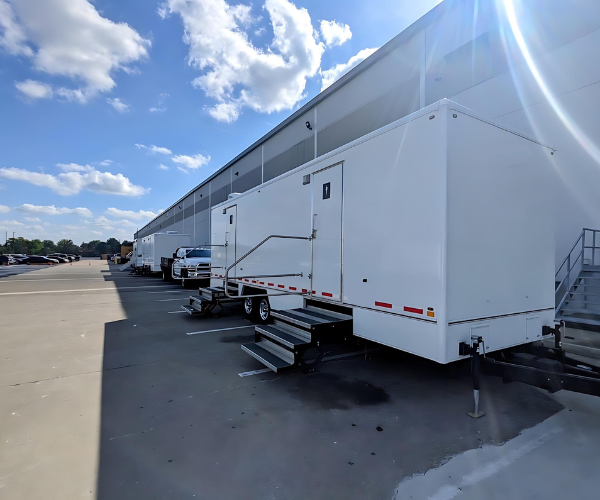
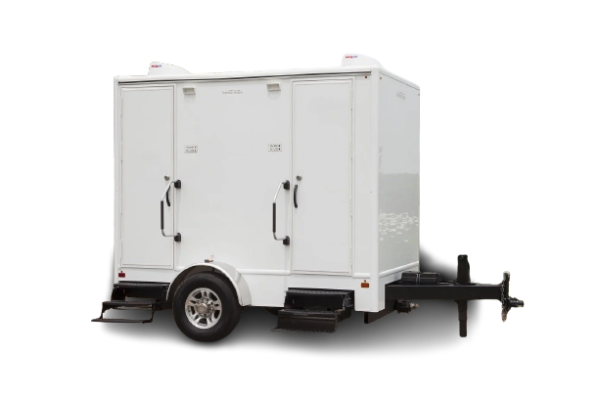
A compact, stylish solution featuring separate entrances for men and women.Each private suite includes flushing toilets, sinks with running water, interior lighting, and climate control for comfort at any event or worksite. (We offer variants 2–10 stalls.)
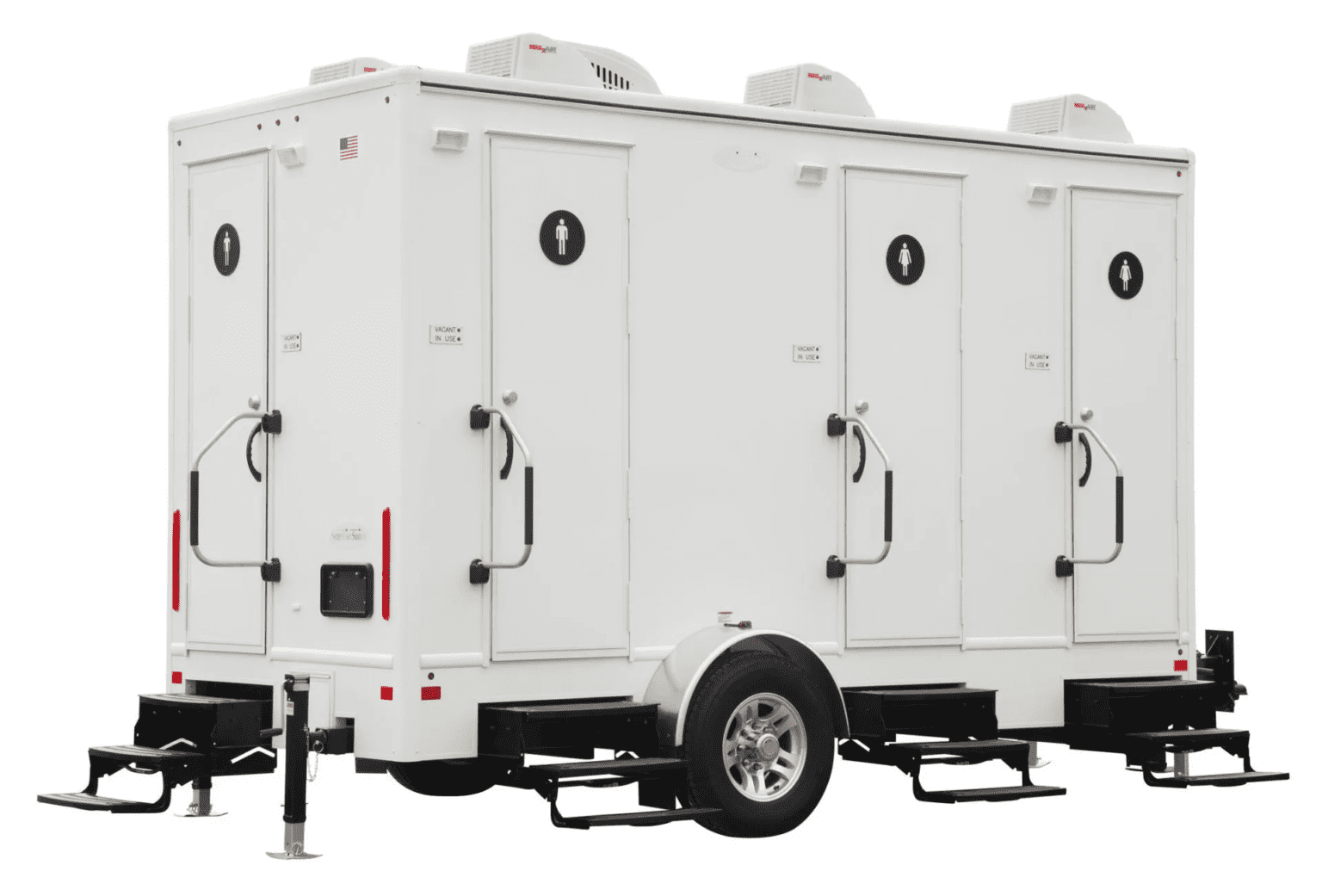
Designed for higher guest capacity, this unit offers four private, individual restrooms with flushing toilets, sinks with running water, interior lighting, and climate control. Ideal for weddings, festivals, and busy job sites.(We offer variants 2–10 stalls.)
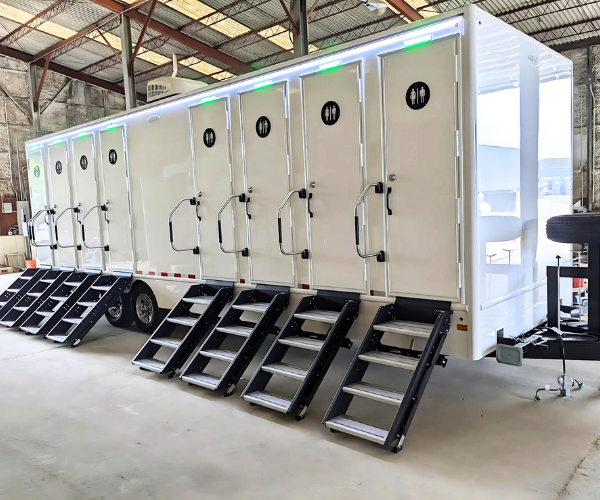
Perfect for large events and high-traffic sites, this spacious trailer provides eight private stalls, each with a flushing toilet, sink with running water, interior lighting, and climate control. A reliable, upscale solution for maximum convenience and comfort.(We offer variants 2–10 stalls.)
We Proudly Serve
Standard Portable Toilets
Offering clean, dependable standard portable toilets for any event or worksite needs in North Carolina.
High Rise Portable Toilets
Specializing in high-rise portable toilets for convenient use in multi-story construction sites across Jonesville.
Restroom Trailers
Delivering premium restroom trailers in Jonesville with luxurious amenities for any event or special occasion.
Roll off Dumpsters
Versatile roll-off dumpster rentals for efficient waste management in Jonesville of North Carolina.
Septic Tank Cleaning
Providing expert septic tank cleaning services in North Carolina, ensuring efficient and hygienic maintenance.
Grease Trap Cleaning
Offering thorough grease trap cleaning services for culinary and commercial establishments in Jonesville.
Fencing & Barricades
Reliable fencing and barricade solutions for secure event management and worksite protection in North Carolina.
Residential Storage
Convenient residential storage options available in Jonesville, providing secure solutions for your storage needs.
Jonesville Premier Restroom Trailer & Sanitation Services
Obtaining a quote for our restroom trailers is simple and efficient, designed to deliver convenience from the start. With our easy-to-navigate website, you can get a quick quote in just a few clicks by using the intuitive ‘Get A Quote' buttons featured prominently across our site. Simply fill out a straightforward form, providing your first name, last name, phone number, and email, and receive your personalized quote instantly. Our streamlined process ensures you don't waste time on unnecessary complexity. We understand the unique needs of our clients, which is why our team is readily available to discuss any additional requirements you may have. From on-site assessments to bespoke arrangements, we tailor our services to fit your needs, ensuring every detail is covered. Once your quote is ready, we coordinate with you to finalize scheduling, taking the hassle out of planning. When it comes to delivery, our professional team takes pride in providing consistently reliable and timely service. We respect your timeframe and work diligently to meet your expectations, ensuring prompt delivery that aligns perfectly with your schedule. Our commitment to excellence extends through every interaction, making your journey with us as smooth as possible. Ensuring customer satisfaction is our top priority, and it begins with accessible quotes and continues with every aspect of our delivery and service. We endeavor to make each client's experience seamless, with a goal of providing ultimate support and assurance throughout your engagement with our company. Count on us for a seamless, stress-free rental experience.
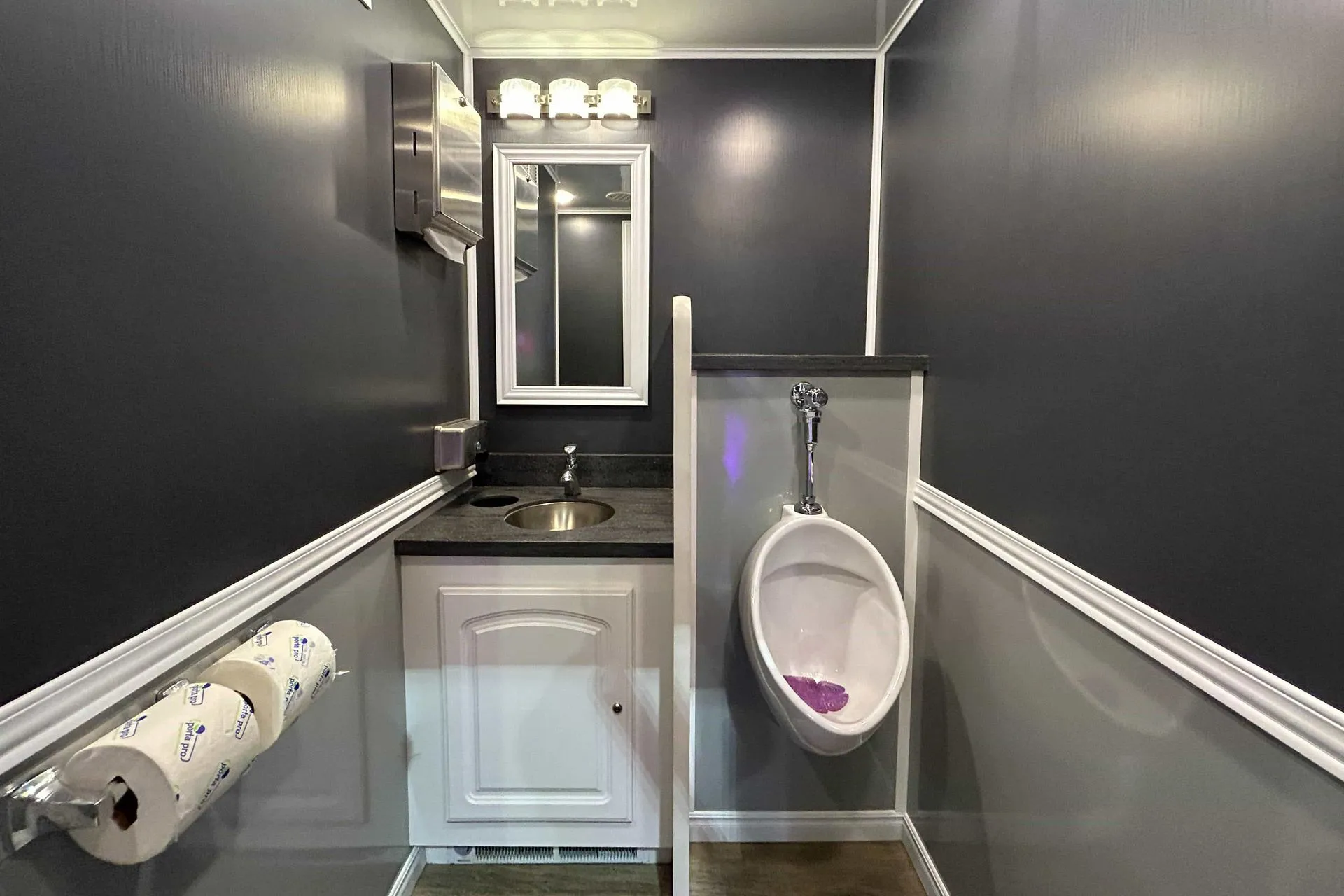
Nestled among scenic landscapes and vibrant community events, Jonesville offers a picturesque backdrop for all occasions. Our restroom trailers are perfectly suited to complement the unique charm of this area, providing elegant facilities that enhance the beauty and character of every event. Whether you're attending the annual Jonesville Jubilee or taking in the views around the iconic Yadkin River, our trailers blend seamlessly with the natural allure of Jonesville, making them ideal for hosting outdoor attractions. Our service is rooted in local values, ensuring cleanliness, reliability, and convenience that perfectly aligns with Jonesville's community spirit. From festivals to family gatherings, our restroom trailers offer the ideal solution for all kinds of events, providing sanitation that boosts the overall experience. Our presence in Jonesville strengthens community ties as we work alongside residents to ensure a flawless event atmosphere. Choose our restroom trailers to ensure guests at your event enjoy maximum comfort and convenience. Offering a superior alternative to traditional portable restroom options, our units are designed for luxury and ease, showcasing our commitment to quality. As Jonesville continues to grow in its appeal for events and outdoor activities, our restroom trailers stand as the top choice for those looking to enhance their guests' experience.
Expertise and Trust For unmatched restroom trailer services in Jonesville, look no further. With decades of experience, our team ensures your satisfaction through customized solutions that cater specifically to your event's needs. Our longstanding community ties provide us with insight into local expectations, allowing us to deliver service that truly resonates. High Standards We uphold rigorous standards for quality and cleanliness, ensuring our units are thoroughly maintained and ready to exceed your expectations. From the moment you contact us to the successful completion of your event, our focus remains on providing timely, professional, and dependable service. Choose us for the highest standards in portable sanitation solutions.
Speedy Solutions For fast, reliable restroom trailer services in Jonesville, we're unmatched. Our quick response times and efficient service mean you can stay focused on creating a flawless event without unnecessary delays. Our team expertly coordinates logistics to ensure your restroom trailer is delivered and set up promptly, prioritizing practicality and convenience. Unwavering Reliability What sets us apart is our deep commitment to dependability, demonstrated by our consistent record of keeping promises and surpassing client expectations. Each restroom trailer is precisely prepared for optimal functionality upon arrival. Trust our service for peace of mind, knowing your sanitation needs are expertly managed.
Explore Jonesville Restroom Trailers
Renting a restroom trailer in Jonesville is a seamless process designed with your convenience in mind. You can start by visiting our website and using the 'Get A Quote' buttons that are strategically placed throughout our pages. These buttons direct you to a straightforward form that requires essential information such as your first name, last name, phone number, and email. Once completed, you will receive a tailored quote promptly. Upon receiving your quote, our team is ready to assist with any specific requirements or questions you might have. From planning intricate details to ensuring the location fits your needs, we handle every aspect to make your event a success. You will find that our experienced staff is eager to provide support, leveraging years of expertise. All forms are easily accessible at both the top and bottom of our online pages, allowing you to request a quote at any point during your visit. The simplicity of our process means that no time is lost, providing you a seamless experience from inquiry to rental. Moreover, our professional approach ensures complete transparency in pricing and service offerings. You can rest assured that our rates are competitive, providing value for money and reflecting our commitment to customer satisfaction. Additionally, our location-centric service ensures you receive the right equipment tailored to community specifics in Jonesville and surrounding areas. This is part of our dedication to offering localized service excellence. With a straightforward rental process and a focus on convenience and customer service, renting a restroom trailer from us is the best choice for a stress-free and reliable experience.
The typical delivery timeframe for restroom trailers is designed to align with your scheduling needs, providing precise and timely service countywide. Once your order is confirmed, our dedicated logistics team coordinates closely to ensure rapid delivery, typically within 24 to 72 hours. Factors such as order size and location can influence this timeline, but client satisfaction remains our top priority. For urgent needs, our flexible scheduling allows for expedited service without compromising on quality or efficiency. Our extensive fleet and proactive planning accommodate any additional requirements, making it possible for delivery even sooner when necessary. Furthermore, our knowledgeable team is equipped to handle diverse logistical challenges, remaining adaptable to varying customer needs, including busy seasons or remote locations. This ensures delivery is executed smoothly, maintaining our reliability reputation. Every delivery is confirmed in advance with specific time windows to accommodate client preferences and reduce inconvenience. During busy periods, proactive communication keeps you informed of progress, minimizing any impact on your planning. Our assurance of reliable service is underscored by rigorous maintenance checks before each delivery. This attention to detail ensures every restroom trailer arrives in pristine working condition, ready for immediate use. Enhancing event success, our fast delivery times facilitate efficient planning, leaving no aspect to chance. Trust our experienced team to keep things running smoothly, supporting your project or event seamlessly. In summary, our commitment to efficient delivery and customer satisfaction guarantees that your restroom trailer rental will meet your needs exactly when you require it, reflecting our pledge of quality and service excellence.
Absolutely, we provide restroom trailers for all types of events and construction services. Our versatile range of products is perfectly suited to festivals, sporting events, weddings, corporate gatherings, family reunions, and any special occasion requiring elevated sanitation options. With a vast inventory, we cater to a variety of needs, offering luxury restroom trailers that include upscale amenities for VIP treatment. Our standard units serve perfectly in rugged environments such as construction sites, where reliable functionality is imperative. For outdoor and community events, we supply accessible porta potties, roll-off dumpsters, and an array of portable sinks and hand sanitizing stations. Our tailored offerings aren't limited to just trailers; we extend to fencing and barricades, ADA-compliant units, and holding tanks — all designed to support any logistical demands you face. These additional services demonstrate our comprehensive support for any event. Dedicated to providing the best experience, our team collaborates closely with clients to understand their exact requirements and propose suitable sanitation options. This approach ensures complete satisfaction, irrespective of the event size or location. Versatility in our service model means no event is too big or small for us to handle, with a commitment to high standards and customized arrangements to suit any occasion. From start to finish, our team is there to assist, ensuring seamless execution. Ultimately, our experience and readiness underline our capacity to serve any type of event or construction service, showcasing a commitment to adaptability and outstanding service.